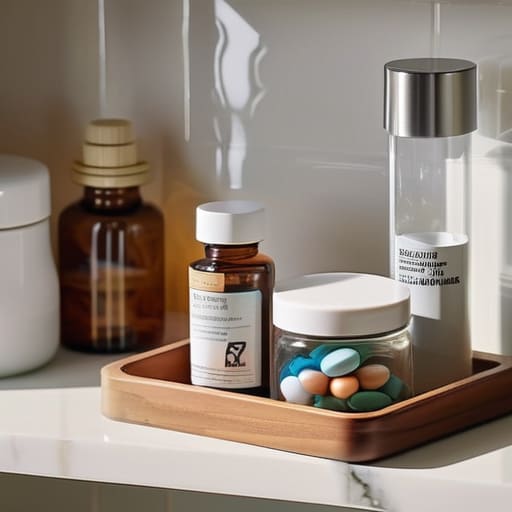
I was standing in my bathroom last Tuesday, staring at a mountain of half-empty cough syrup bottles and expired ibuprofen, wondering when exactly my medicine cabinet turned into a ticking time bomb of clutter. We’ve all been there—digging through a chaotic mess of crusty tubes and mystery ointments just to find a single Band-Aid when you’re actually feeling sick. Most “organization gurus” will tell you that you need a $50 custom acrylic bin system to solve the problem, but let’s be honest: decluttering medicine cabinet chaos isn’t about buying more plastic; it’s about finally facing the expired junk you’ve been ignoring for three years.
I’m not here to sell you on some aesthetic, Pinterest-perfect lifestyle that requires a professional organizer and a massive budget. Instead, I’m going to give you the straight truth on how to strip this mess down to the essentials without the fluff. I’ll show you exactly what to toss, what to keep, and how to set it up so you actually stay organized once the initial excitement wears off. This is a no-nonsense, battle-tested plan for reclaiming your space and your sanity.
Table of Contents
Checking Expiration Dates on Skincare and Old Meds
First, let’s tackle the stuff you actually put on your face. We’ve all been there: digging through a drawer only to find a moisturizer that smells slightly like old crayons. Checking expiration dates on skincare isn’t just about avoiding breakouts; it’s about hygiene. Once a product passes its prime, the preservatives break down, turning your expensive serum into a breeding ground for bacteria. If you see that little open-jar icon (the PAO symbol) and realize it’s been open for two years, toss it immediately. There is zero point in keeping products that could actually irritate your skin.
Next, move on to the heavy hitters—the actual meds. This is where things get serious because old pills aren’t just useless; they can be dangerous. Grab a flashlight and squint at those tiny printings on the bottles. If the date has passed, don’t just toss them in the trash or flush them down the toilet (that’s a big no-no for the water supply). Instead, look up safe medication disposal methods, like local drug take-back programs. It’s a small step that goes a long way in preventing medication accidents in your home.
Preventing Medication Accidents With a Clean Slate
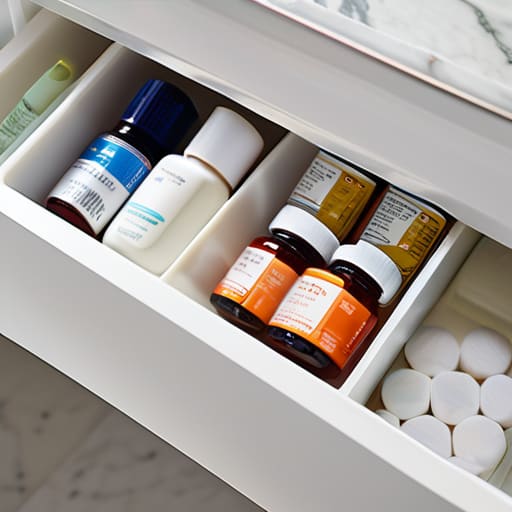
Let’s be honest: a messy cabinet isn’t just an eyesore; it’s actually a liability. When you’re frantically searching for an ibuprofen in the middle of a midnight headache, the last thing you want is to accidentally grab a bottle of something that expired during the Obama administration. By preventing medication accidents through a regular purge, you’re essentially removing the guesswork from your healthcare. It’s about making sure that when someone in your house needs help, the right remedy is actually within reach and, more importantly, safe to use.
Once you’ve cleared out the junk, the next step is making sure that old stuff doesn’t just end up in the trash can like a ticking time bomb. You can’t just toss everything down the drain without thinking about the environment. Instead, look into safe medication disposal methods, like using local drug take-back programs or specific pharmacy drop-off bins. It’s a small extra step, but it keeps your household running smoothly and ensures your cleanup efforts actually do some good for the world outside your bathroom door.
Five Ways to Stop the Cabinet Chaos
- Grab a bin for the “maybe” pile. We all have that one random tube of ointment we think we might need someday, but if you haven’t touched it in a year, it’s just taking up mental real estate.
- Group your stuff by “job.” Keep your painkillers in one spot, your allergy meds in another, and your skincare separate. It stops that frantic digging through a mountain of bottles when you’re actually feeling sick.
- Get rid of the empty boxes. Seriously, stop keeping the cardboard packaging for every single bottle; it’s just extra bulk that makes your shelves look cluttered and messy.
- Check your temperature and humidity. If your bathroom gets super steamy from the shower, your meds might be losing their punch, so consider moving the heavy hitters to a cooler, dry spot.
- Use clear bins or trays. Being able to see exactly what you have at a glance prevents you from buying a second bottle of Ibuprofen because you couldn’t find the first one buried in the back.
The Bottom Line
Stop hoarding expired junk; if it’s past its prime, it’s useless (or worse) and needs to go.
A clean cabinet isn’t just about aesthetics—it’s about making sure you grab the right meds when you actually need them.
Take ten minutes to purge the clutter now so you aren’t digging through a chaotic mess during a midnight fever spike.
## The Mental Load of the Mess
“Your medicine cabinet shouldn’t feel like a high-stakes scavenger hunt every time you have a headache; clearing out the clutter isn’t just about organization, it’s about reclaiming a little bit of peace of mind when you’re actually feeling under the weather.”
Writer
The Finish Line
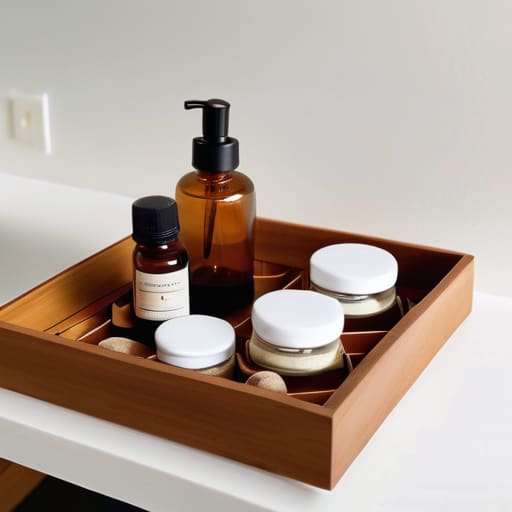
Once you’ve finally cleared out the expired junk, you’re probably going to realize just how much actual space you have to work with. Instead of just shoving everything back in haphazardly, I’ve found that a little bit of intentionality goes a long way in keeping the chaos at bay. If you’re feeling a bit overwhelmed by the organizational side of things, you might want to check out jednakagami for some really practical inspiration on how to actually maintain a streamlined, functional space without it feeling like a chore.
Look, we’ve covered a lot of ground here, from the heavy lifting of tossing expired skincare to the serious business of making sure your family stays safe from accidental ingestions. It isn’t just about making the shelf look pretty for an Instagram photo; it’s about taking control of your space and ensuring that when you actually need something—like a headache pill at 2 AM—you aren’t digging through a mountain of useless junk. By ditching the expired meds and organizing what’s left, you’ve turned a chaotic mess into a functional, streamlined system that actually works for you.
At the end of the day, a clean medicine cabinet is one of those small, quiet wins that makes a massive difference in your mental clarity. There is something incredibly satisfying about closing that cabinet door and knowing exactly what is inside. Don’t let this be a one-time thing, either; set a reminder on your phone to do a quick “health check” every six months. You deserve a home that feels organized and intentional, starting with the very small, essential corners of your life. Now, go grab that trash bag and get it done.
Frequently Asked Questions
What am I actually supposed to do with expired pills instead of just tossing them in the trash?
Don’t just chuck them in the kitchen bin—that’s a recipe for environmental disaster or a curious pet getting into something nasty. Your best bet is a local pharmacy; most of them have “take-back” programs where you can just drop them in a secure bin. If that’s too much of a trek, mix the pills with something unappealing like coffee grounds or kitty litter in a sealed bag before tossing. Just don’t flush them!
How do I know if a cream or ointment has gone bad if it doesn't look or smell weird?
Here’s the tricky part: sometimes, the chemistry goes sideways before your senses even pick up on it. If a cream looks fine but has been sitting in a humid bathroom for two years, don’t trust it. Look for “separation”—if you squeeze it out and it looks oily or watery instead of smooth, toss it. Also, check the PAO (Period After Opening) symbol—that little open jar icon. If it says 6M and you’re at 12, it’s dead weight.
Is it worth keeping those random samples and travel-sized bottles, or should they go too?
Look, we’ve all been there—hoarding tiny bottles of moisturizer like they’re precious heirlooms. But let’s be honest: if you haven’t used that travel-sized sunscreen since your 2022 road trip, it’s just taking up valuable real estate. If it’s a product you actually love and use regularly, keep it. Otherwise? Toss the samples. They’re just clutter masquerading as “just in case” supplies, and your sanity (and cabinet space) will thank you.

About the Author




