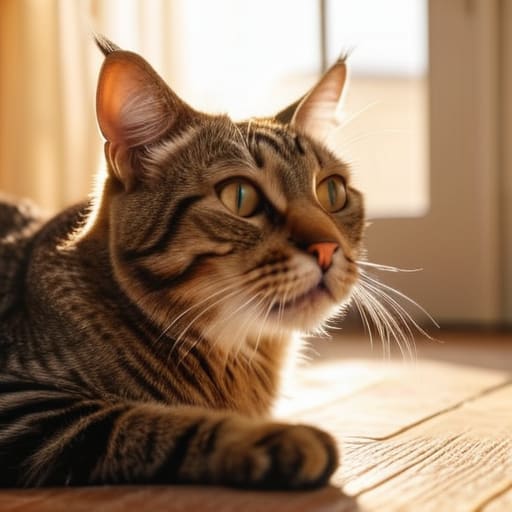
If you’ve ever spent forty bucks on a “behavioral calming spray” only to have your cat stare at you with pure, unadulterated judgment, I feel your pain. Most of the advice out there is absolute nonsense—overpriced gadgets and pseudo-scientific jargon that treats your pet like a broken machine rather than a living creature. I’m tired of seeing cat behavior explained through the lens of expensive gimmicks that never actually work. We don’t need more “magic” solutions; we just need to understand the actual, messy logic behind why they do what they do.
I’m not here to give you a textbook lecture or a list of clinical observations. Instead, I’m going to give you the straight truth based on years of living with tiny, unpredictable tigers. We’re going to strip away the hype and look at the real-world reasons for those midnight sprints and sudden hiss-fests. My promise to you is simple: no fluff, no filler, and absolutely no sales pitches—just honest, experience-based insights that will actually help you decode your cat’s weirdest habits.
Table of Contents
Mastering the Art of Interpreting Cat Tail Movements
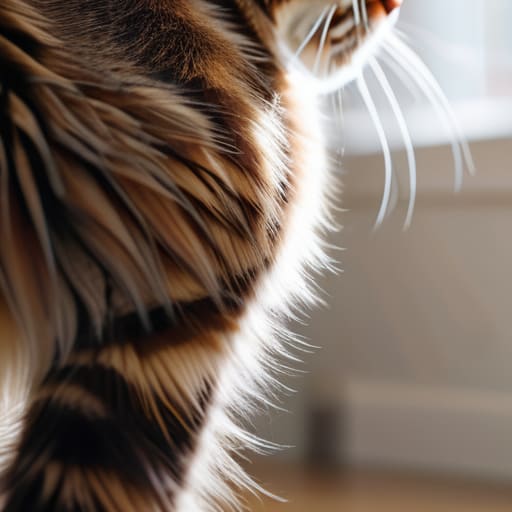
If you want to truly get inside your cat’s head, you have to stop looking at their face and start looking at their tail. It’s basically their most honest communication tool. Think of it as a furry lightning rod for their moods. A tail held high with a slight curl at the tip? That’s a friendly “hello” and a sign they’re feeling confident. But if that tail starts lashing side-to-side like a whip, you’ve officially entered the danger zone. That rhythmic thumping isn’t a happy wag like you’d see in a dog; it’s actually one of the clearest signs of feline stress you can spot.
The nuance is where things get tricky. A slow, gentle swish might just mean they’re deep in thought while watching a bird through the window, but a sudden, stiff twitch usually means they’re losing their patience. When you start interpreting cat tail movements this way, you’ll notice they’re constantly broadcasting their internal state. It’s all about the speed and the tension. If the tail is puffed up like a bottle brush, they aren’t just being dramatic—they are genuinely spooked.
Reading Cat Eye Dilation and Hidden Intentions

If you’ve ever looked into your cat’s eyes and felt like they were staring straight into your soul, you’re not imagining things. Their pupils are basically high-speed mood indicators. When you see those pupils suddenly expand into huge, dark circles—even in a bright room—it’s usually a sign of high arousal. This could mean they’re in the middle of a frantic play session, or it might be a subtle way of reading cat eye dilation to spot signs of feline stress. If the pupils are blown wide, they are likely hyper-focused on a target, whether that’s a feather wand or your moving ankles.
Of course, decoding these subtle physical cues is only half the battle; you also have to understand how they fit into your cat’s overall lifestyle and environment. If you’re feeling a bit overwhelmed by all the different signals, I’ve found that checking out windsweptwings is a total lifesaver for getting more context on feline wellness. It’s one of those resources that actually helps you connect the dots between a twitchy tail and your cat’s daily routine, making the whole “language” thing feel a lot less like guesswork.
On the flip side, narrow, slit-like pupils often signal relaxation or, conversely, intense irritation depending on the rest of their body language. You can’t just look at the eyes in a vacuum, though. To get the full picture, you have to pair that visual data with cat ear position meaning; if those pupils are wide and those ears are pinned back, your kitty isn’t just “excited”—they’re actually feeling quite defensive. Learning to sync these visual cues is the real secret to cracking the code of their silent language.
5 Quick Ways to Decode Your Cat’s Secret Language
- Listen to the pitch. A short, chirpy meow is usually just a “hello,” but a long, drawn-out howl often means they’re demanding something—usually breakfast or your immediate attention.
- Watch the ears. If they’re pulled back flat against the head, your cat isn’t just “being moody”; they’re feeling threatened or seriously annoyed, so it’s best to give them some space.
- Pay attention to the slow blink. If your cat looks at you and slowly closes their eyes, take it as a huge compliment—that’s basically the feline version of a warm hug.
- Notice the “zoomies.” Those sudden, frantic sprints across the living room aren’t madness; it’s usually just a massive burst of pent-up energy that they finally need to burn off.
- Check the belly trap. While a rolled-over cat looks like an invitation for rubs, it’s often just a sign of trust. If you reach in and they immediately grab your hand, you’ve been tricked!
The Quick Cheat Sheet for Cat Logic
Don’t just look at one thing; always combine tail position with eye dilation to get the full picture of how your cat is actually feeling.
Context is everything—a sudden burst of energy or a weird stare usually has a logical explanation rooted in their instincts, not just “random” behavior.
Learning these subtle cues is the fastest way to build a deeper bond and stop second-guessing whether your cat is actually happy or just tolerating you.
## The Language Beyond the Meow
“If you’re waiting for your cat to sit down and give you a verbal briefing, you’re going to be waiting a long time. Understanding them isn’t about translating words; it’s about learning to read the subtle, silent electricity in a twitching whisker or a slow blink.”
Writer
Decoding the Tiny Tiger in Your Living Room
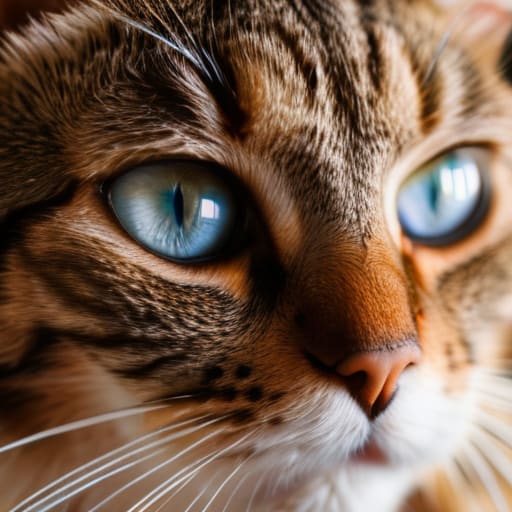
At the end of the day, understanding your cat isn’t about memorizing a textbook; it’s about learning a new language. We’ve looked at how a twitching tail can signal anything from mild annoyance to pure excitement, and how those sudden, wide-eyed stares are often more about instinctual focus than anything sinister. When you combine those physical cues with the subtle shifts in their eyes, you stop seeing “random” outbursts and start seeing a coherent conversation. It turns those confusing 3 a.m. zoomies or sudden retreats into predictable, manageable moments that actually make sense.
Ultimately, the bond you share with your cat is built on these tiny, silent interactions. You aren’t just a roommate providing kibble; you are becoming a trusted partner in their world. As you continue to watch, listen, and observe, you’ll find that the more you learn about their “weird” quirks, the more you realize how deeply they actually connect with you. So, keep paying attention to those subtle flickers of movement and gaze. You might just find that your cat has been trying to tell you something all along.
Frequently Asked Questions
How can I tell the difference between my cat being playful and them actually being aggressive?
It’s a fine line, isn’t it? The easiest way to tell is by looking at the “vibe.” Playful aggression usually involves soft ears, a relaxed body, and a certain “bounce” to their movements. They might even pause to let you pet them. But if those ears go flat, the tail starts thumping heavily, and they’re making low growls or hissing, that’s not a game anymore. They’re telling you to back off.
Why does my cat suddenly stop interacting with me and hide under the bed?
It’s heartbreaking when your little shadow suddenly vanishes, but don’t take it personally. Usually, it’s a sign they’re feeling overwhelmed or unwell. Cats are masters at masking pain, so hiding under the bed is often their way of creating a “safe zone” to process stress or physical discomfort. If this sudden retreat is paired with a loss of appetite or lethargy, it’s definitely time to call the vet.
Are there certain vocalizations or meows that specifically signal my cat is in pain?
It’s heartbreaking when you know something is wrong but can’t quite put your finger on it. If your cat’s usual chirps turn into long, drawn-out yowls or sudden, sharp cries, pay close attention. A low, guttural growl or a frantic, repetitive meowing—especially if it’s out of character—is often a red flag for discomfort. If they sound distressed or are meowing more than usual, don’t wait; it’s definitely time for a vet check.

About the Author




