
I still remember the exact sound of my old velvet sofa screaming for mercy as my golden retriever, Barnaby, decided it was the perfect place to launch a high-speed wrestling match with a squeaky toy. In that moment, looking at the mountain of fluff and the deep claw marks, I realized that most “designer” advice is completely useless for anyone who actually lives with animals. We’ve been told for years that you have to choose between a beautiful home and a happy pet, but honestly? That’s a total lie. You shouldn’t have to sacrifice your aesthetic just because your best friend has paws, and finding true pet friendly furniture shouldn’t feel like a constant battle against destruction.
I’m not here to sell you on overpriced, “animal-safe” labels that fall apart after three months of real-world use. Instead, I’m going to give you the straight truth about which fabrics actually repel hair, which wood finishes can survive a stray toenail, and how to build a space that looks high-end without being fragile. We’re skipping the marketing fluff and getting straight to the stuff that actually works in a real, messy, animal-filled home.
Table of Contents
- Mastering Scratch Resistant Sofa Fabrics for Peace of Mind
- Why Claw Proof Upholstery Materials Are Your Best Defense
- Pro Tips for Keeping Your Living Room Pet-Proof
- Quick Wins for a Pet-Proof Living Room
- The Real Cost of "Cheap" Furniture
- Making Peace with Your Pets and Your Living Room
- Frequently Asked Questions
Mastering Scratch Resistant Sofa Fabrics for Peace of Mind
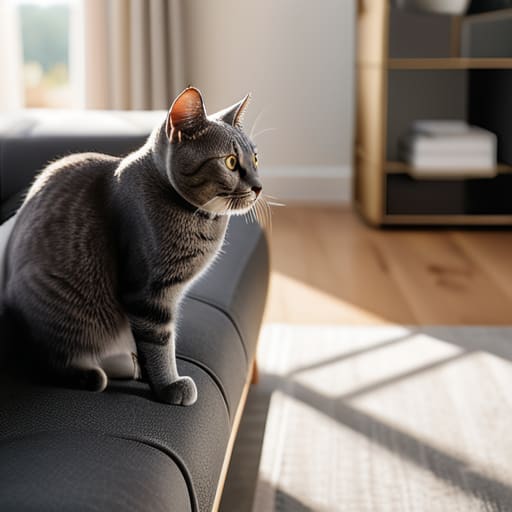
Let’s be real: the sofa is usually the centerpiece of the living room, but for anyone with a cat, it’s also a giant, expensive scratching post. If you’re tired of seeing loose threads hanging from your cushions, you need to prioritize scratch resistant sofa fabrics that can actually stand up to a daily onslaught of claws. Microfiber is a total lifesaver here because the tight weave makes it incredibly difficult for a nail to find a foothold, meaning your couch stays intact while your pet gets their energy out elsewhere.
It isn’t just about preventing rips, though; it’s about how much stress you feel every time your dog jumps up after a muddy walk. When you’re hunting for claw proof upholstery materials, look for synthetic blends like polyester or specially treated performance fabrics. These are the gold standard for easy to clean pet furniture because they don’t soak up hair or odors like heavy linen or velvet do. Investing in the right texture upfront means you spend less time scrubbing and more time actually relaxing with your animals.
Why Claw Proof Upholstery Materials Are Your Best Defense
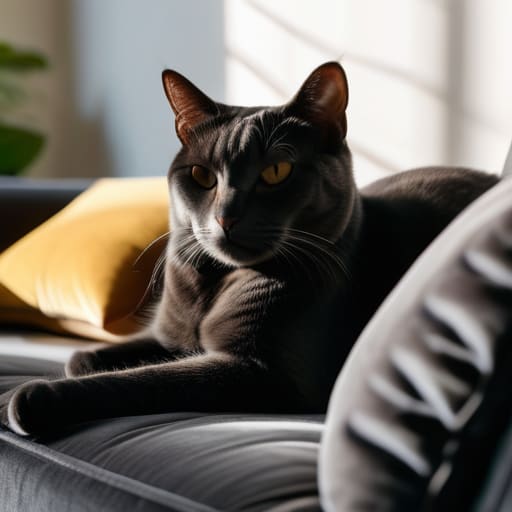
Look, let’s be real: if you own a cat, your sofa isn’t just a place to sit; it’s a giant, expensive scratching post waiting to happen. This is where investing in claw proof upholstery materials becomes a total game-changer. Instead of constantly playing defense with nail trimmers, you can actually relax knowing your couch isn’t one bad mood away from looking like a shredded mess. High-density weaves, like velvet or heavy-duty microfibers, work because there’s simply nowhere for those tiny claws to hook into.
Beyond just picking the right fabric, you really have to think about the structural integrity of the pieces you’re bringing home. There is no point in having a scratch-proof cover if the frame itself is flimsy enough to wobble every time your dog jumps up for a nap. I’ve found that checking out curated collections at aeronautike is a great way to find pieces that are actually built to last, rather than just looking pretty on the surface. It’s all about finding that sweet spot where durability meets style so you aren’t constantly replacing your living room setup every two years.
Beyond just avoiding the shredded look, these materials are a lifesaver for the inevitable “oops” moments. We’ve all been there—a spilled bowl of water or a muddy paw print right in the middle of movie night. Choosing easy to clean pet furniture means you aren’t scrubbing at a permanent shadow on your upholstery for the next three years. It’s about building a home that feels lived-in and cozy, rather than a museum where you’re constantly terrified of a little bit of fur or a stray mess.
Pro Tips for Keeping Your Living Room Pet-Proof
- Go for “tight weaves” only. If there’s a gap big enough for a claw to get hooked in, your pet will find it, and that’s how you get those annoying pulled threads.
- Skip the velvet and linen. They might look fancy, but they’re basically magnets for pet hair and a nightmare to vacuum once the shedding season hits.
- Think about the legs. Furniture with slim, tapered wooden legs is much easier to sweep or vacuum under, so you aren’t constantly fighting a losing battle against fur bunnies.
- Darker colors or busy patterns are your best friends. Unless you want to spend every single morning lint-rolling your couch, a little bit of pattern helps hide the inevitable stray hairs.
- Opt for modular pieces. If your dog decides one specific corner of the sofa is their new permanent bed, being able to swap out or clean individual sections makes life way easier.
Quick Wins for a Pet-Proof Living Room
Prioritize tight weaves and synthetic blends like microfiber or velvet to stop claws from snagging.
Skip the loose linen and delicate silks; they’re basically an open invitation for scratches and stains.
Think about durability over pure aesthetics—if it can’t survive a zoomie session, it’s not the right piece for your home.
The Real Cost of "Cheap" Furniture
“Look, you can either spend a little more upfront on fabric that actually stands a chance against a Golden Retriever, or you can spend your weekends scrubbing claw marks out of a sofa that was never meant to survive a living room full of life.”
Writer
Making Peace with Your Pets and Your Living Room
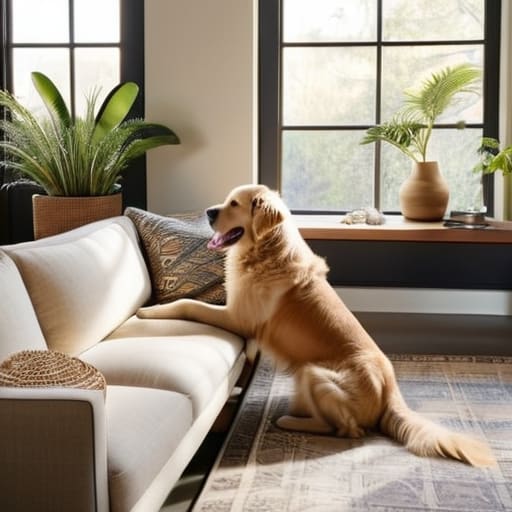
At the end of the day, decorating for a home with animals isn’t about compromising on style; it’s about being smart with your choices. We’ve covered how choosing the right scratch-resistant fabrics and investing in claw-proof upholstery can save you from a constant cycle of repairs and expensive replacements. By prioritizing durability and focusing on materials that can actually stand up to a bit of daily chaos, you aren’t just buying furniture—you’re building a sustainable sanctuary that won’t fall apart the moment your dog decides to do a celebratory zoomie on the sofa.
Ultimately, your home should be a place where you can actually relax, rather than a museum where you’re constantly worried about a stray claw or a muddy paw print. Don’t let the fear of a little wear and tear stop you from creating a space that feels warm, inviting, and lived-in. After all, the best homes aren’t the ones that stay perfectly pristine; they are the ones filled with unconditional love and a few happy memories left behind on the cushions. Go ahead and pick the pieces that make you happy, because life is way too short to live in a house that’s afraid of its own pets.
Frequently Asked Questions
How do I actually get pet hair out of these fabrics without spending hours with a lint roller?
Look, I get it—the lint roller is a lie. It feels like you’re just moving hair around instead of actually cleaning. If you want to stop fighting a losing battle, grab a rubber squeegee or even a damp rubber glove. Run it across the fabric; the friction pulls the hair into easy-to-grab clumps. It’s way faster, much cheaper, and honestly, it’s the only thing that actually works on those stubborn deep-set hairs.
Are there specific colors or patterns that help hide stains and fur better?
Skip the solid black or stark white. Black shows every single speck of light-colored fur, and white is basically a magnet for muddy paw prints. Instead, lean into mid-tone neutrals like heather gray, oatmeal, or taupe. If you really want to be smart about it, go for a subtle pattern—think tweeds, marls, or even a soft geometric print. They’re absolute lifesavers for camouflaging the inevitable mess between deep cleans.
Can I just use a fabric protector spray on my existing furniture, or is that a waste of money?
Honestly? It’s a bit of a mixed bag. If you’re trying to stop a determined cat from shredding your linen sofa, a spray isn’t going to save you—it’s not armor. But, if you’re just worried about the occasional muddy paw print or a spilled water bowl, a good protector spray is totally worth the few bucks. It won’t stop the claws, but it’ll definitely stop the stains.

About the Author




