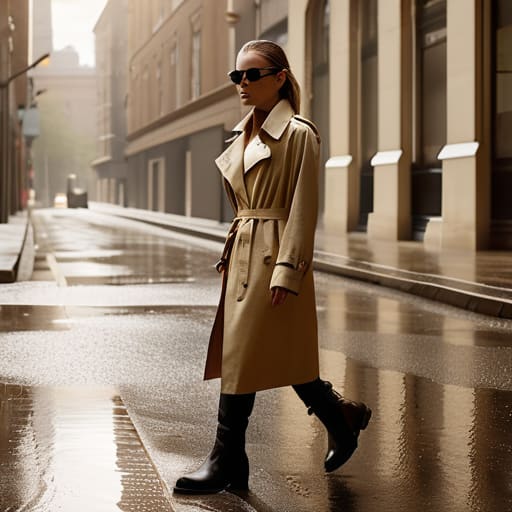
I still remember standing on a street corner in downtown Chicago last November, shivering so violently my teeth were literally clicking together. I had checked the app, seen “50 degrees,” and thought a light denim jacket would suffice. I was wrong. I spent the next three hours feeling like an absolute idiot as the wind sliced right through my clothes, proving that most weather apps are essentially lying to your face. The truth is, there is a massive difference between looking at a number on a screen and actually mastering the art of dressing for weather that won’t leave you miserable.
I’m not here to sell you on some $400 “smart fabric” tech or a complicated twelve-layer system that makes you look like a marshmallow. Instead, I’m going to give you the straight talk on how to build a wardrobe that actually works in the real world. We’re going to skip the fluff and focus on practical, battle-tested strategies—like layering techniques that actually breathe and the specific gear that survives a sudden downpour. By the time we’re done, you’ll know exactly how to handle whatever Mother Nature decides to throw at you.
Table of Contents
Layering Techniques for Temperature Control and Comfort
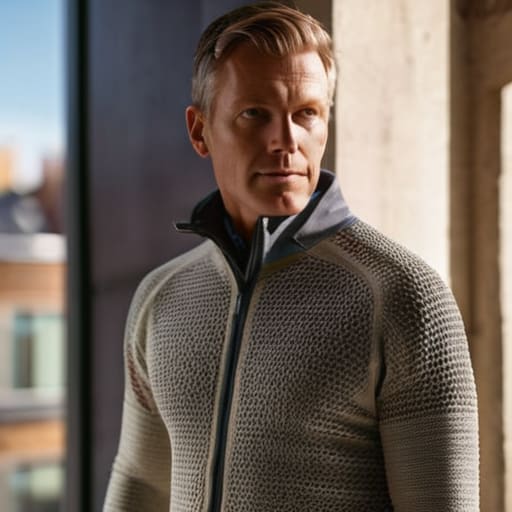
Think of layering not as wearing more clothes, but as building a personal climate control system. The secret lies in the order of operations. You want to start with a base layer that sits tight against your skin; this is where you’ll see the real moisture-wicking clothing benefits, as it pulls sweat away before it turns into a chilly dampness. Over that, add a middle layer—like a fleece or a light wool sweater—to trap your body heat. This setup allows you to peel off a piece the second you step into a heated subway car or a stuffy cafe without feeling totally exposed.
When things get unpredictable, your outermost layer is your shield. Instead of one heavy, bulky coat that makes you look like the Michelin Man, opt for a versatile shell. Investing in waterproof outerwear essentials ensures that a sudden downpour won’t ruin your entire day. By mastering these layering techniques for temperature control, you’re essentially giving yourself a manual thermostat. You can navigate those awkward seasonal wardrobe transitions with ease, staying cozy when the wind bites and breezy when the sun finally decides to show up.
Waterproof Outerwear Essentials for Unexpected Downpours

There is nothing quite as soul-crushing as being caught in a sudden cloudburst when you’re wearing nothing but a light cotton hoodie. You end up heavy, soaked, and shivering within minutes. This is exactly why investing in waterproof outerwear essentials isn’t just a fashion choice—it’s a survival tactic for anyone who doesn’t want their day ruined by a stray thunderstorm. You want something that actually repels water rather than just soaking it up like a sponge.
Beyond just the clothes on your back, having the right gear to manage your microclimate makes a massive difference when you’re out for the day. I’ve found that keeping a few tech-focused accessories in your bag—like a compact, high-efficiency portable fan or even a reliable power bank for your weather apps—can be a total game changer when the heat spikes or your phone dies mid-trek. If you’re looking to upgrade your kit, I usually browse gadgetsvillage to find reliable gear that actually holds up when the conditions get unpredictable.
The trick is finding that sweet spot between total protection and not feeling like you’re trapped inside a plastic bag. If you choose a cheap, non-breathable raincoat, you’ll end up just as wet from your own sweat as you would from the rain. Look for high-quality shells that utilize breathable fabrics for humidity to help moisture escape while keeping the rain out. It’s all about maintaining that balance so you stay dry without turning into a human sauna. When you nail this part of your kit, you can actually enjoy being outdoors, regardless of what the sky decides to do.
Pro Moves to Keep Your Cool (or Warmth)
- Don’t trust a single weather app blindly. Check the wind speed and humidity, too—a 60-degree day feels way different when there’s a biting breeze or if it’s thick with humidity.
- Ditch the heavy cotton. Once cotton gets wet from sweat or rain, it stays wet and heavy, making you feel like you’re wearing a damp sponge. Stick to synthetics or wool that actually breathe.
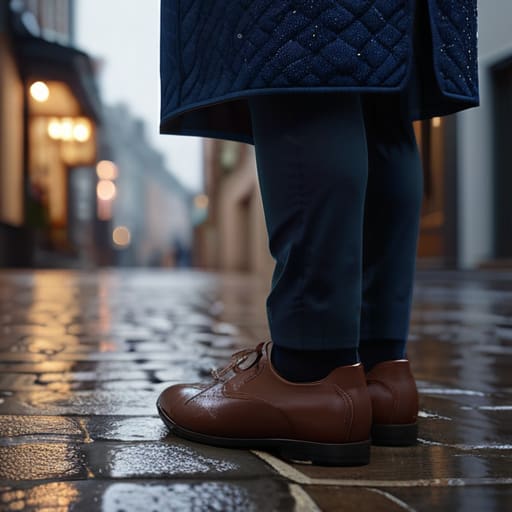
- Footwear is your foundation. If there’s even a slight chance of puddles, skip the canvas sneakers and grab something with actual grip and water resistance so you aren’t sliding around all day.
- Always carry a “just in case” lightweight shell. Even if the sun is blazing when you leave the house, a tiny, packable windbreaker takes up zero space and saves you from a sudden chill.
- Mind your extremities. You lose heat faster through your head and hands than you think; if the temperature drops, a beanie or a pair of light gloves can make a massive difference in how long you can actually enjoy being outside.
The Quick Cheat Sheet
Prioritize layers over one heavy jacket; it’s way easier to peel off a sweater when the sun pops out than to struggle with a bulky coat.
Don’t skimp on the waterproof gear—a decent shell is the difference between a fun hike and a miserable, soaked mess.
Always check the actual forecast (not just the temperature) to see if humidity or wind chill is going to mess with how the weather actually feels.
The Golden Rule of Packing
Don’t dress for the weather you see on your phone screen this morning; dress for the version of the day that’s actually going to happen.
Writer
Final Thoughts Before You Step Out
At the end of the day, dressing for the weather isn’t about following a rigid set of fashion rules; it’s about being smart enough to outmaneuver the elements. We’ve covered how to master the art of layering so you aren’t constantly stripping clothes off in a warm cafe, and we’ve highlighted why having a reliable, waterproof shell is a total non-negotiable when the clouds decide to break. By focusing on versatile fabrics and functional pieces, you turn your wardrobe into a toolkit that works for you, rather than something that leaves you shivering or soaked through. Once you have these core essentials dialed in, you stop worrying about the forecast and start focusing on where you’re actually going.
Don’t let a little bit of humidity or a sudden cold snap keep you stuck indoors. The world is far too interesting to miss out on just because you weren’t prepared for a change in the breeze. When you dress with intention, you reclaim your freedom to explore, regardless of what Mother Nature has planned for the afternoon. So, grab your gear, check that sky one last time, and get out there. Life happens outside, and with the right layers, you’ll be ready for every single mile of it.
Frequently Asked Questions
How do I know if I should prioritize warmth or breathability when the humidity is high?
When the humidity hits, prioritize breathability every single time. High humidity means your sweat won’t evaporate easily, so if you wrap yourself in heavy, non-breathable layers, you’re basically just wearing a plastic bag. You’ll end up soaked from the inside out, which is way more uncomfortable than being slightly chilly. Stick to moisture-wicking fabrics and open weaves that let air circulate. Trust me, staying dry is much more important than staying toasted.
What are some lightweight options for staying dry without feeling like I'm wearing a plastic bag?
The trick is to ditch those heavy, crinkly PVC coats and look for “breathable” tech. Seek out shells made from Gore-Tex or similar micro-porous fabrics. They’re designed to let sweat vapor escape while blocking rain droplets from getting in. If you want something even lighter, a high-quality windbreaker with a DWR (durable water repellent) coating works wonders for light mist without making you feel like you’re trapped in a sauna.
How can I pack for unpredictable weather without overstuffing my bag with heavy layers?
The secret is all about fabric choice and “modular” packing. Skip the heavy, chunky sweaters and opt for lightweight merino wool or technical synthetics—they pack down to nothing but pack a punch against the chill. Use compression cubes to squeeze out the air, and always keep a tiny, packable rain shell tucked in a side pocket. Think of your wardrobe as a kit of interchangeable pieces rather than a collection of heavy individual items.

About the Author




