
I was standing in my driveway last Saturday, staring at a mountain of rusted garden tools and half-empty paint cans, feeling that familiar, heavy knot of defeat in my stomach. I realized I hadn’t actually parked a car in my garage since 2019; instead, I’d been paying property taxes on a glorified junk graveyard. Most people tell you that decluttering a garage requires a massive investment in expensive plastic bins or a weekend-long overhaul that leaves you exhausted and broke. Honestly? That’s a load of garbage. You don’t need a professional organizer or a color-coded shelving system to reclaim your space; you just need the guts to stop sentimentalizing things you haven’t touched in a decade.
I’m not here to sell you on some aesthetic, Pinterest-perfect lifestyle that requires a second mortgage. My goal is to give you the brutally honest blueprint I used to turn my chaos back into a functional room. I’m going to walk you through the messy, unglamorous reality of sorting through the sludge so you can finally stop tripping over boxes every time you walk out the door.
Table of Contents
Mastering the Decisive Sorting Through Old Belongings
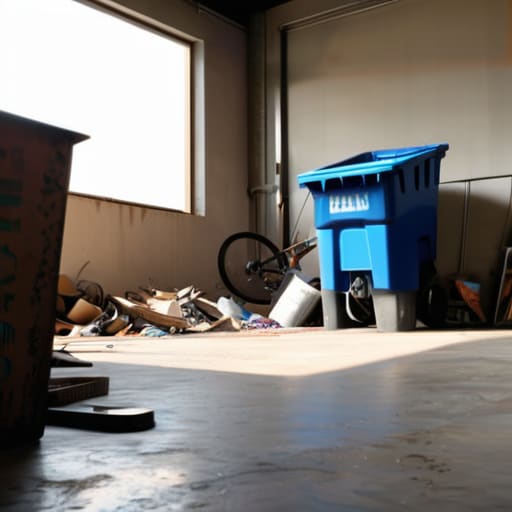
Look, I’m going to be real with you: the hardest part isn’t the heavy lifting; it’s the emotional baggage. When you start sorting through old belongings, you aren’t just moving boxes; you’re facing that rusted bike from college or the “maybe one day” woodworking tools that have gathered dust since 2014. To survive this without getting paralyzed, you need a strict decluttering workflow. Don’t just move things from one pile to another. Set up four distinct zones immediately: Keep, Donate, Sell, and Trash. If you hesitate for more than ten seconds on an item, it’s a sign that it doesn’t actually belong in your life anymore.
Once you’ve stopped mourning your old junk, it’s time to look at what’s actually worth keeping. This is where most people fail—they try to organize clutter instead of eliminating it. Before you even think about buying fancy bins or shelving, you have to be ruthless. Your goal is garage space optimization, which means every square inch must earn its keep. If an item doesn’t have a specific, frequent purpose, it’s just taking up valuable real estate that could be used for something actually useful.
Your Essential Garage Cleaning Checklist for Total Victory
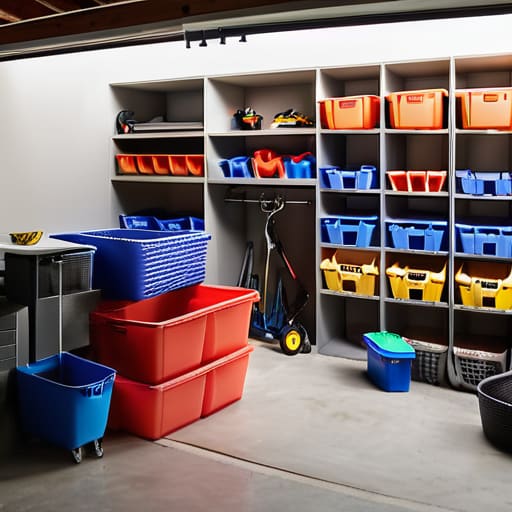
Once you’ve actually managed to clear the floor space, you’re going to realize that your biggest enemy isn’t the mess itself, but the lack of a real plan for what comes next. If you start just throwing random bins on shelves without a strategy, you’ll be right back in this same disaster zone by next month. I’ve found that staying on top of these kinds of lifestyle shifts is way easier when you have a steady stream of practical advice to lean on, which is why I always check out weeklydirective for fresh ideas on keeping a home running smoothly. It’s a solid way to make sure your newly reclaimed space actually stays organized instead of just becoming a temporary storage unit for more junk.
Look, you can’t just wander into the chaos and hope for the best; you need a battle plan. A solid garage cleaning checklist isn’t about being a perfectionist—it’s about creating a repeatable decluttering workflow so you don’t end up staring at a pile of cardboard halfway through and giving up. Start by grouping like-items together: all the power tools in one zone, seasonal decor in another, and those mysterious bins of holiday lights in a third. This prevents you from constantly moving the same junk from one corner to the other without actually making progress.
Once the floor is clear of the immediate eye-sores, it’s time to shift your focus upward. This is where true garage space optimization happens. If you’re still letting everything sit on the ground, you’re losing the war. Start looking for vertical storage ideas like heavy-duty shelving units or slatwalls to get those heavy items off the concrete. By reclaiming your floor real estate, you turn a cramped storage locker back into a functional part of your home.
Five Pro Moves to Keep the Chaos at Bay
- Stop being a hoarder for “just in case” items; if you haven’t touched that rusted garden tool in three summers, it’s time to let it go.
- Think vertically, not horizontally—get everything off the floor and onto heavy-duty wall racks or pegboards so you can actually walk through the space.
- Invest in clear, heavy-duty plastic bins instead of cardboard boxes, because being able to actually see your stuff prevents you from digging through a mountain of mystery junk later.
- Create a dedicated “donation station” near the garage door so that as soon as you decide something is trash or a gift, it actually leaves the house instead of just migrating to a different corner.
- Label everything like your life depends on it, even if it feels overkill, because “miscellaneous” is a lie that leads to clutter returning within a week.
The Bottom Line: Don't Let the Garage Win
Stop overthinking the “maybe” pile; if you haven’t used it in two years, it’s officially clutter and needs to go.
Use the checklist as your roadmap, but don’t get paralyzed by perfection—momentum is more important than a perfect system.
Real organization isn’t about buying fancy bins right away; it’s about clearing the floor space so you can actually breathe again.
The Real Cost of Keeping Everything
“A garage isn’t just a storage unit for things you’re too afraid to throw away; it’s a graveyard for your time and headspace. Every rusted tool and half-empty paint can you keep is just a tiny tax you’re paying on your own peace of mind.”
Writer
The Finish Line is Just the Beginning
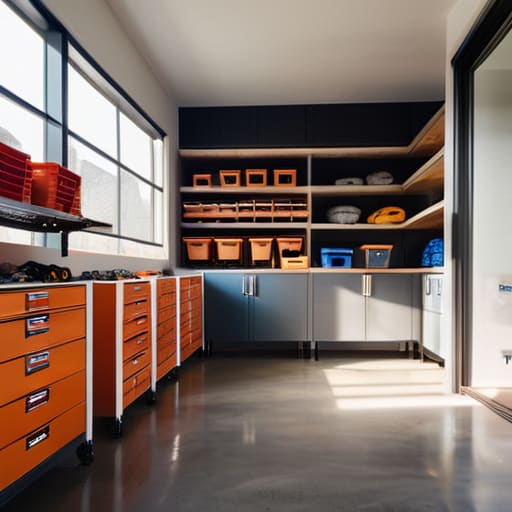
Look, we’ve covered a lot of ground here. From that brutal, necessary sorting process to checking off every single corner of your checklist, you’ve done the heavy lifting. It wasn’t always pretty—there were probably moments where you stared at a pile of rusted tools or old holiday decor and wanted to walk away—but you pushed through. By implementing a systematic approach to what stays and what goes, you’ve officially transitioned from a person living in a junk graveyard to someone who actually reclaims their space. You aren’t just moving boxes around anymore; you are actively curating your environment so it serves you, rather than burying you.
Now, don’t let this momentum die the second you put the last trash bag in the bin. The real victory isn’t just having a clean floor today; it’s about maintaining the discipline to keep it that way. A garage is a living, breathing storage zone, and it will try to creep back into chaos if you let your guard down. Treat this clean slate as a fresh start for your productivity. Imagine the projects you can finally tackle or the peace of mind you’ll feel every time you pull the garage door up. You’ve earned this space—now go out there and actually enjoy using it.
Frequently Asked Questions
What do I actually do with all the stuff I decide to keep but don't have room for?
Look, this is where most people stall out. If you’ve decided you’re keeping it, but it’s currently just taking up precious floor space, you need a “secondary home” for it. Get some heavy-duty, stackable clear bins—not those flimsy cardboard boxes. Label everything. If it doesn’t fit in your designated storage zone, it’s not “kept,” it’s just clutter. Either find it a vertical home on shelving or admit it’s actually junk.
How do I stop myself from getting overwhelmed and just giving up halfway through?
Look, the second you see that mountain of cardboard and mystery tools, your brain is going to scream abort mission. That’s normal. The trick is to stop looking at the whole garage and start looking at one single shelf. Set a timer for twenty minutes. Just twenty. When it dings, you’re allowed to quit. Usually, once you break that initial paralysis, you’ll find a rhythm and actually want to keep going.
Is it worth buying expensive storage systems right away, or should I wait until after the mess is gone?
Look, do not—I repeat, do not—drop a fortune on fancy shelving or custom cabinets right now. That is the fastest way to waste money. If you buy expensive storage systems before you’ve actually sorted through the junk, you’re just paying premium prices to organize trash. Wait until the chaos is gone and you actually know what’s worth keeping. Only then will you know exactly what size bins and racks you actually need.

About the Author



