
I was standing in the middle of my bedroom last Tuesday, staring at the door of my closet like it was a portal to a dark, chaotic dimension. I could actually smell the stale air and the scent of clothes that hadn’t seen the light of day since 2019. It wasn’t just a mess; it was a physical weight pressing against my chest every time I tried to find a simple pair of jeans. We’ve all been there—tripping over a rogue boot or digging through a mountain of polyester just to find one decent shirt. Decluttering a walk in closet shouldn’t feel like a descent into madness, yet most of the advice out there makes it sound like you need a professional organizer and a million-dollar budget to succeed.
Forget the fancy color-coded bins and the expensive velvet hangers for a second. I’m not here to sell you on a lifestyle overhaul that requires a PhD in minimalism. Instead, I’m going to give you the unfiltered truth about how I actually reclaimed my space without having a total meltdown. We’re going to talk about real-world tactics, the stuff that actually works when you’re exhausted, and how to make decisions that stick.
Table of Contents
Mastering How to Sort Clothes for Donation

Once you’ve finally cleared the floor and sorted through the piles, you’re going to realize that keeping things organized is a whole different beast than just getting rid of the junk. I used to struggle with things constantly migrating back into a messy heap, but I’ve found that having a solid system in place is the only way to actually stay sane. If you’re feeling a bit overwhelmed by the logistics of keeping your new, streamlined space functional, I highly recommend checking out welcometoq for some brilliant organizational inspiration that makes the maintenance part feel way less like a chore.
Once you’ve got that mountain of fabric on your bed, the real work begins. Don’t just eyeball it; you need a system, or you’ll end up staring at a pile of “maybe” items for three hours. Grab three distinct bins: one for donations, one for the tailor, and one for the trash. When figuring out how to sort clothes for donation, I use the “one-year rule.” If you haven’t reached for it in twelve months, it’s time to let it go. It sounds harsh, but if you aren’t wearing it, it’s just taking up valuable real estate.
Be ruthless about quality, too. If a sweater is pilled beyond repair or a pair of jeans has a permanent stain, don’t pass that burden onto a charity. Focus on items that are still in great condition so your contribution actually helps someone. This stage is the secret sauce to maximizing walk in closet space because it ensures that every single item left hanging is something you actually love and use. Once the “keep” pile is vetted, the rest of the process feels much lighter.
Curating Your Ultimate Minimalist Wardrobe Essentials
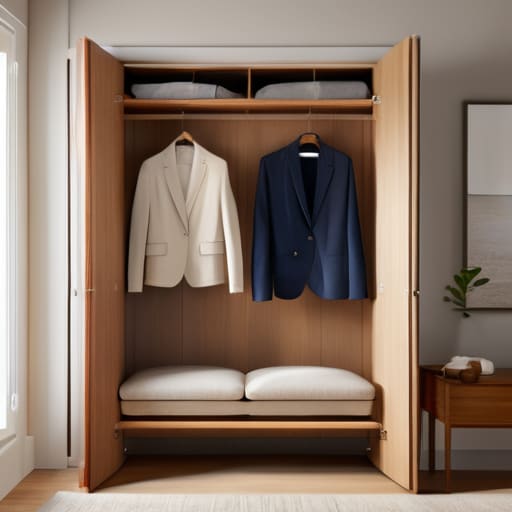
Once you’ve cleared out the dead weight, you’re left with the hard part: deciding what actually earns a permanent spot in your life. This isn’t about following every micro-trend on TikTok; it’s about identifying your minimalist wardrobe essentials—those reliable, high-quality pieces that make getting dressed feel effortless rather than a chore. Think of it as building a collection of “old reliables.” If a piece doesn’t make you feel confident or fit your current lifestyle, it doesn’t belong in your curated selection.
Now that you’ve narrowed it down, it’s time to think about how these items actually live in your space. Instead of just cramming everything back onto the racks, focus on maximizing walk in closet space by grouping items by category or color. This makes it much easier to see exactly what you own at a glance. When you can see your entire collection without digging through piles, you stop buying duplicates and start actually enjoying the pieces you’ve fought so hard to keep.
5 Ways to Stop the Closet Chaos Before It Starts
- The “One-In, One-Out” Rule: Every time you bring a new piece of clothing home, something else has to go. It sounds simple, but it’s the only way to keep that walk-in from turning back into a storage unit within a month.
- Stop Keeping “Someday” Clothes: If you’re holding onto that tiny skirt or the jeans that are “almost” comfortable, let them go. If you haven’t worn it in six months, you aren’t going to suddenly wake up and love it tomorrow.
- Invest in Uniform Hangers: This is a total game-changer for visual clutter. Swap out those mismatched plastic and wire hangers for slim velvet ones; it instantly makes the space look intentional rather than a chaotic mess.
- Use the Floor as a Boundary: If your shoes are migrating across the floor like a slow-moving tide, you need a system. Get some tiered shelving or clear bins so every pair has a designated “home” that isn’t just “on the ground.”
- The Reverse Hanger Trick: Turn all your hangers backward. When you wear something, flip the hanger the right way. After a few months, anything still facing backward is a clear sign it’s just taking up space and needs to be donated.
The Bottom Line: Making it Stick
Don’t let the “maybe” pile become a graveyard for clothes you’re too afraid to let go of—if you haven’t reached for it in six months, it’s time to move on.
Focus on quality over sheer volume; a closet full of versatile, high-quality staples beats a mountain of “fast fashion” clutter every single time.
Keep the momentum going by setting a quarterly “mini-purge” so the chaos never has a chance to creep back into your space.
The Mental Shift
“A walk-in closet shouldn’t feel like a museum of your past mistakes; it should feel like a curated collection of the person you are actually becoming.”
Writer
The Finish Line

Look, I know the floor is probably still covered in piles of fabric and you’re currently questioning every fashion choice you’ve made since 2015, but you are so close. You’ve already done the heavy lifting by sorting through the “maybe” pile, getting those donation bags out the door, and finally narrowing your focus down to the pieces that actually make you feel like yourself. Don’t let the momentum die now. Once you finish organizing those minimalist essentials and tucking away the seasonal stuff, you aren’t just looking at a cleaner room; you’re looking at a system that actually works for your real, busy life.
At the end of the day, this isn’t just about making sure you can find a matching pair of socks in under thirty seconds—though that is a massive win. It’s about clearing out the physical noise so you can actually breathe when you walk into your room. A decluttered closet is a reset button for your brain. Stop treating your wardrobe like a storage unit for your past selves and start treating it like a curated collection that supports who you are right now. You’ve got this. Now, go put those last few items away and enjoy the view.
Frequently Asked Questions
What do I actually do with all the stuff I can't bring myself to throw away?
Look, I get it. That “sentimental” sweater from your college roommate or the dress you promise you’ll fit into again? They feel like pieces of your identity. But if you can’t toss it, try the “Maybe Box” method. Put those tricky items in a bin, tape it shut, and stick it in the garage. If you haven’t gone hunting for them in three months, you have your answer. Let the box go.
How do I organize everything once the floor is finally visible again?
Now that you can actually see the floor, don’t just shove everything back in. This is where the magic happens. Group your stuff by category—think tees with tees, jeans with jeans—and then by frequency of use. The stuff you wear every single morning? It goes front and center at eye level. The seasonal gear or “maybe one day” pieces? Tuck those into the higher shelves or bins. Keep it logical, not just neat.
How often should I be doing this so my closet doesn't turn into a disaster zone by next month?
Look, if you wait until you can’t see your floor to start cleaning, you’ve already lost. I swear by the “one-in, one-out” rule—if you buy a new sweater, an old one has to go. Beyond that, try a quick ten-minute sweep once a month. Just hang everything back up properly and toss the hangers that are broken. It’s much easier to maintain a vibe than to stage a full-scale intervention every season.

About the Author



