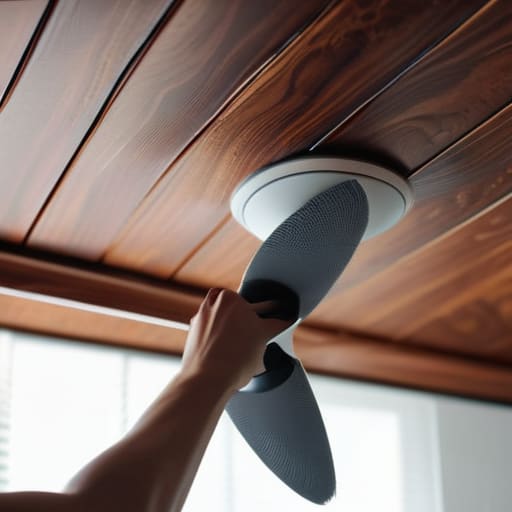
I still remember the exact moment I realized I was doing it all wrong. I was standing on a rickety stepstool, squinting through a literal cloud of gray dust that exploded into my face the second I nudged one of my blades. It wasn’t just a little bit of debris; it was a full-on sneeze-inducing disaster that left me coughing and wondering why my living room suddenly smelled like an old attic. That was my wake-up call that proper ceiling fan maintenance isn’t just about making things look pretty—it’s about not turning your home into a dust bowl every time you flip the switch.
Look, I’m not here to sell you on some expensive, specialized cleaning kit or tell you that you need a professional technician to peek at your motor. That’s a complete waste of your time and money. Instead, I’m going to give you the straight-up, no-nonsense truth about how to keep your fans spinning quietly and efficiently. I’ve made the mistakes so you don’t have to, and I’m sharing the exact, low-effort habits that actually work to keep your air moving and your house clean.
Table of Contents
Mastering the Art of Cleaning Fan Blade Dust Buildup
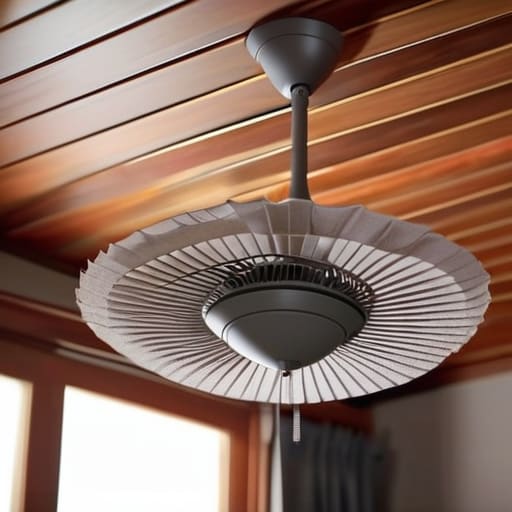
Let’s be real: nobody actually enjoys climbing a ladder to tackle those thick, fuzzy layers of gray grime clinging to your blades. But if you ignore cleaning fan blade dust buildup, you’re doing more than just making your living room look dusty. That weight imbalance can actually force the motor to work way harder than it needs to, which is a massive drag on its lifespan. To do this right without making a mess, grab an old pillowcase. Slide it over the blade and pull it back toward you; the pillowcase acts like a vacuum bag, trapping all that nasty debris inside instead of letting it rain down on your furniture.
Once you’ve cleared the heavy stuff, take a damp microfiber cloth to get those stubborn spots that the pillowcase missed. It’s a small step, but it’s vital for preventing motor overheating caused by unnecessary drag. If you notice the fan feels a bit “off” or shaky after a deep clean, don’t panic—it might just be a matter of a little fan blade balancing or a loose screw, but keeping the blades light and clean is the best first line of defense.
Preventing Motor Overheating for Peak Performance
While you’re deep in the middle of a maintenance session, it’s also worth taking a moment to look at the bigger picture of your home’s comfort. If you find yourself constantly tweaking your fan settings or worrying about other household quirks, I’ve found that checking out hearthnhub is a total lifesaver for discovering more practical ways to keep your living space running efficiently. Honestly, having a few reliable home tips tucked away in your back pocket makes all these seasonal chores feel a lot less daunting.
Now, let’s talk about the heart of the machine: the motor. While cleaning the blades is great for aesthetics, it’s actually a huge part of preventing motor overheating. When dust gets sucked into the motor housing, it acts like a thermal blanket, trapping heat and forcing the motor to work twice as hard just to keep those blades turning. If you notice your fan starting to hum more loudly than usual or if it feels strangely warm to the touch, that’s a massive red flag. Don’t just ignore it; a little bit of preventative care goes a long way in improving fan motor longevity.
Another thing that often flies under the radar is how much physical strain an unbalanced fan puts on the motor. If you’ve been doing some ceiling fan wobble troubleshooting lately, you probably realized that a shaky fan isn’t just annoying—it’s taxing. That constant, uneven vibration puts unnecessary stress on the internal components, which can lead to a premature burnout. By keeping everything balanced and clear of debris, you’re ensuring the motor runs cool, quiet, and efficient for years to come.
Quick Wins to Keep Your Fan in Top Shape
- Keep an eye (and an ear) out for any weird wobbling or clicking sounds; usually, a quick tighten of the mounting screws is all it takes to steady things up.
- Check your remote batteries every once in a while so you aren’t left sweating in a room full of stagnant air because the controller died.
- Make sure your fan speed settings actually make sense for the season—don’t run it on high in the dead of winter unless you’re trying to stir up all that trapped heat.
- Periodically inspect the light kit and bulbs to ensure everything is seated correctly and there aren’t any loose connections causing a flicker.
- If you notice the fan is pulling more power than usual or running hot, it might be time to look into a professional tune-up before the motor gives up the ghost.
Quick Wins for a Longer-Lasting Fan
Don’t let dust build up—a quick wipe-down of the blades keeps the air clean and prevents the motor from working harder than it needs to.
Keep an eye (and an ear) on your motor; if it starts running hot or making weird noises, it’s time to step in before it quits on you.
A little bit of regular maintenance goes a long way in saving you the headache of a broken fan and the cost of a total replacement.
## A Little Effort Goes a Long Way
“Look, you don’t need to be an electrician to keep your fans in shape; just a little bit of regular TLC goes a long way in keeping your home cool and, more importantly, keeping that motor from burning out prematurely.”
Writer
Keeping the Breeze Going
At the end of the day, keeping your ceiling fan in top shape doesn’t have to be some massive, overwhelming chore. It really just comes down to being proactive—keeping those blades free of that annoying dust buildup and making sure the motor isn’t working harder than it needs to. When you take those few minutes every few months to give it a quick wipe down and a little check-up, you’re not just cleaning; you’re actually extending the life of your fixture. It saves you money on replacements and, more importantly, ensures your home stays a comfortable, breezy sanctuary without any unexpected mechanical hiccups or weird wobbles.
Think of your fan maintenance as a small investment in your home’s overall vibe. There is nothing quite like the feeling of walking into a room and feeling that perfect, steady flow of air on a sweltering afternoon. By staying on top of these simple steps, you’re ensuring that your comfort remains completely uninterrupted. So, grab a microfiber cloth, take a quick look up at your ceiling, and enjoy the peace of mind that comes with a well-maintained home. You’ve totally got this!
Frequently Asked Questions
How often should I actually be checking the mounting hardware and screws to make sure nothing is loosening up?
Honestly, you don’t need to go on a daily inspection mission, but don’t let it slide for years either. I’d recommend giving the mounting hardware and screws a quick once-over every six months—basically whenever you’re doing your seasonal deep cleaning. If you start noticing any wobbling or a weird clicking sound while it’s spinning, don’t wait; grab a screwdriver and tighten everything up immediately. Better safe than sorry when it comes to stuff hanging overhead.
Is it safe to use water or cleaning sprays directly on the blades, or will that mess with the motor?
Whatever you do, keep the liquid away from the motor! Spraying water or cleaning solutions directly onto the blades is a recipe for disaster—it can easily seep into the housing and fry your motor or cause a short circuit. Instead, spray your cleaner onto a microfiber cloth or a rag first, then wipe the blades down. This keeps the moisture exactly where you want it and keeps your fan safe and dry.
What are the telltale signs that my fan motor is actually dying versus just needing a bit of lubrication?
It’s a tricky distinction, but here’s the deal: if your fan is just making a little squeak or a rhythmic clicking, a drop of oil might save the day. However, if you notice the fan slowing down significantly even on high speed, or if you smell something like burning plastic or ozone, that’s a red flag. That usually means the motor windings are failing, and at that point, it’s time for a replacement.

About the Author




