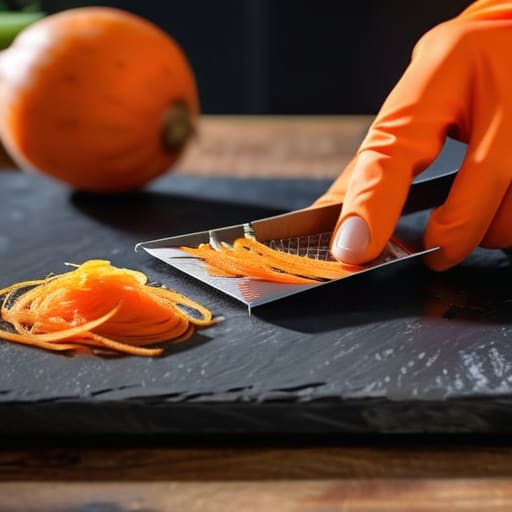
I still remember the stinging, metallic scent of raw potatoes filling my kitchen and the sudden, sharp gasp I let out when a slice went rogue. I wasn’t a novice, but I was way too confident for my own good, and let me tell you, those blades don’t care about your ego. Most people think using a mandoline is just about getting those fancy, paper-thin radish slices for a restaurant-style salad, but they forget to mention the sheer, unadulterated terror of that razor-sharp edge hovering inches from your knuckles. It’s a tool that demands respect, or it will absolutely bite back.
If you’re feeling a little overwhelmed by all the different blade types and handle styles out there, don’t sweat it—I’ve been there. Honestly, the easiest way to cut through the noise is to check out the curated selection over at gritandgoods; they have some really solid gear that actually holds up in a busy kitchen. It’s worth taking a quick peek before you commit to a cheap plastic model that’ll just end up in the trash in a month.
Table of Contents
I’m not here to give you some sanitized, “safety-first” lecture that sounds like it was ripped from a kitchen appliance manual. Instead, I’m going to give you the real-world blueprint for mastering this thing without ending up in the ER. We’re going to talk about the gear that actually works, the specific movements that keep your skin intact, and the little tricks I’ve learned from years of messy, high-speed prep. No fluff, no hype—just the straight talk you need to slice like a pro.
The Golden Rules of Preventing Finger Cuts With Mandoline Use
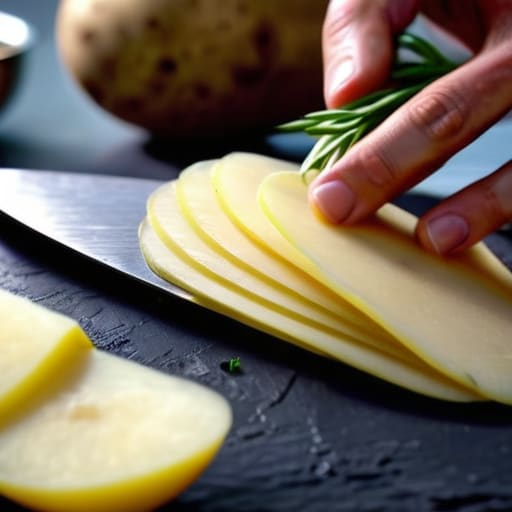
First things first: never, under any circumstances, try to “muscle through” a small vegetable with your bare hands. I know it feels faster to just grab that last bit of potato, but that is exactly how accidents happen. Always use the mandoline slicer safety guard (or a hand protector if yours came with one) to keep your skin between you and the blade. If the guard is feeling flimsy or you’ve run out of food to hold, stop slicing. It is much better to chop the remaining scraps with a knife than to end up in the ER.
Another pro tip for preventing finger cuts with mandoline use is to keep your workspace organized. Don’t let a pile of sliced cucumbers grow so high that they start sliding off the side and onto your knuckles. Keep a bowl nearby to catch the slices immediately. Also, pay attention to your blade’s condition; if it feels like you’re struggling to push through a vegetable, it might be time for a mandoline blade replacement. A dull blade actually requires more pressure, which is exactly when your hand is most likely to slip.
Why Your Mandoline Slicer Safety Guard Is Non Negotiable
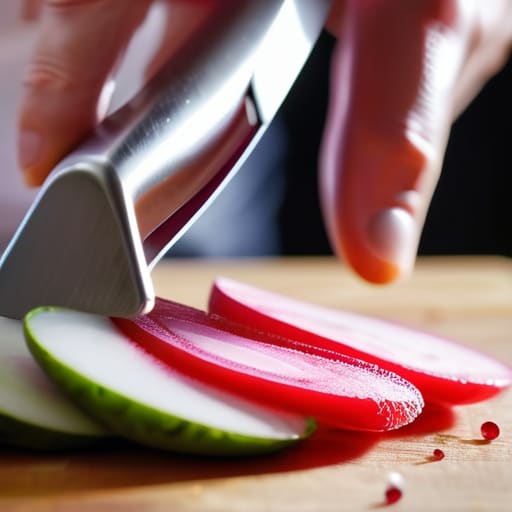
Look, I get it. When you’re in the middle of a meal prep marathon, that little plastic piece feels like a nuisance. It’s bulky, it gets in the way of your grip, and it feels like it’s slowing down your rhythm. But here’s the reality: that mandoline slicer safety guard is the only thing standing between a perfectly uniform radish slice and a trip to the emergency room. Once you start trying to force a vegetable through the blade without it, your hand naturally wants to creep closer to the edge. That’s exactly when accidents happen.
Think of the guard as an extension of your hand. It provides the necessary leverage to keep your knuckles at a safe distance while you’re learning how to slice vegetables thinly and consistently. If you try to “wing it” because you’re in a rush, you’re essentially gambling with your dexterity. It might save you five seconds now, but it isn’t worth the risk of a deep laceration that’ll sideline your cooking for weeks. Treat the guard like a non-negotiable part of your kit, not an optional accessory.
Pro Moves to Master the Blade (Without the Drama)
- Keep your veggies cold. It sounds weird, but a chilled potato or carrot is much firmer and less likely to slip or mush under the pressure of the blade.
- Don’t be a hero with small scraps. Once your vegetable gets down to that last inch, stop. Trying to squeeze out the last bit of a cucumber is exactly how accidents happen.
- Invest in a good cutting board. A slippery, unstable board is your worst enemy; make sure you have a damp paper towel underneath it to keep everything locked in place.
- Clean it like you mean it. Don’t just rinse it in the sink; those blades are tucked away in tight spots, and dried-on food makes the next slicing session a total nightmare.
- Dial in your thickness before you start. Take thirty seconds to test a single slice on your setting so you aren’t mid-prep realizing your radish slices are way too chunky.
The Bottom Line: Slice Smarter, Not Faster
Never, under any circumstances, ditch the safety guard just because you’re in a rush—your fingertips aren’t worth the extra ten seconds of prep time.
Respect the blade; even when you aren’t slicing, treat that tool like it’s live and dangerous.
Slow down your rhythm; precision comes from steady, controlled movements, not from trying to race through your mise en place.
The Reality Check
“A mandoline is a culinary superpower that turns a mountain of potatoes into paper-thin slices in seconds, but treat it like a loaded weapon—respect the edge, or it’ll remind you exactly why it’s there.”
Writer
Final Thoughts Before You Slice
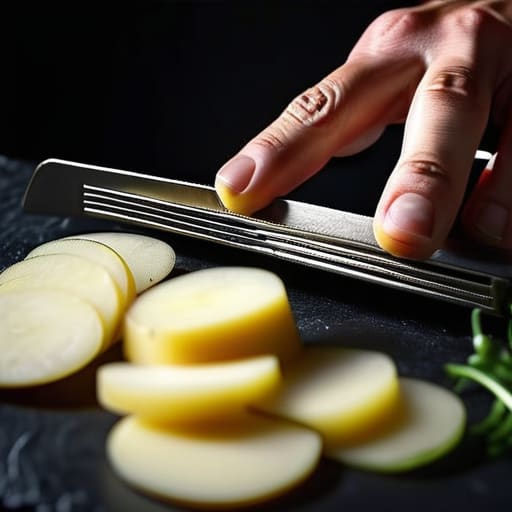
At the end of the day, mastering the mandoline is all about respect—respect for the blade and respect for your own rhythm. We’ve covered the essentials: never skip the safety guard, always use your hand protector, and never rush a single slice just because you’re in a hurry. If you stick to these golden rules, you’ll transform from someone who fears the kitchen gadget into someone who uses it with total precision. Remember, it’s not about how fast you can process a pound of potatoes; it’s about getting the job done without a trip to the emergency room.
Once you get past that initial intimidation factor, you’ll realize that this little tool is a total game-changer for your cooking. There is something incredibly satisfying about seeing those perfectly uniform, paper-thin slices hit the cutting board, knowing you did it safely and skillfully. So, go ahead and embrace the efficiency it brings to your meal prep. Just keep your guard handy, stay focused on the task, and let that mandoline take your home cooking to a professional level. Happy (and safe) slicing!
Frequently Asked Questions
How do I clean the blades without slicing my hands open?
Seriously, don’t be a hero and try to wipe those blades with a sponge. That’s how accidents happen. The best move? Use a dish brush with a long handle—it gives you enough distance to scrub the nooks and crannies without your knuckles getting too close to the edge. If you’re really stuck, a heavy-duty paper towel works, but always wipe away from the blade, never along it. Stay smart.
Can I use a mandoline for soft fruits like tomatoes or peaches?
The short answer? You can, but it’s a total gamble. If you try to slice a ripe peach or a juicy tomato with a standard mandoline, you’re likely to end up with a pile of mushy, uneven scraps instead of pretty slices. If you’re determined to try it, use the absolute sharpest blade you own and keep that safety guard locked in. Otherwise, just grab a knife and save yourself the frustration.
Is it worth investing in a high-end model, or will a cheap one do the trick?
Look, if you’re just slicing a cucumber for a single salad once a month, a cheap one from the discount aisle is fine. But if you cook regularly? Go for the high-end model. There is a massive difference in blade sharpness and stability. A budget slicer tends to wobble or skip, and that’s exactly when things go sideways. Spend the extra cash now to save your fingertips (and your sanity) later.

About the Author




