
I’m so tired of seeing “longevity experts” peddling $200 supplements and complex, biohacking protocols that look more like a chemistry lab than a lifestyle. Most of this noise is just expensive distraction from the one thing that actually works: building real, functional strength for longevity. You don’t need a wearable device to tell you your cellular aging is slowing down; you need to be able to get off the floor without using your hands and carry your own groceries without getting winded. If you’re looking for a way to “optimize” your mitochondria through expensive powders, you’re in the wrong place.
Here is my promise to you: I’m not going to waste your time with fluff or scientific jargon designed to make me sound smart. Instead, I’m going to share the no-nonsense, battle-tested methods I’ve used to stay capable and resilient. We are going to focus on the heavy lifting—the kind of practical, movement-based training that builds a body that lasts. No hype, no expensive gadgets, just the straightforward truth about how to build a foundation that won’t crumble as the years roll by.
Table of Contents
Defeating the Silent Thief With Sarcopenia Prevention Strategies
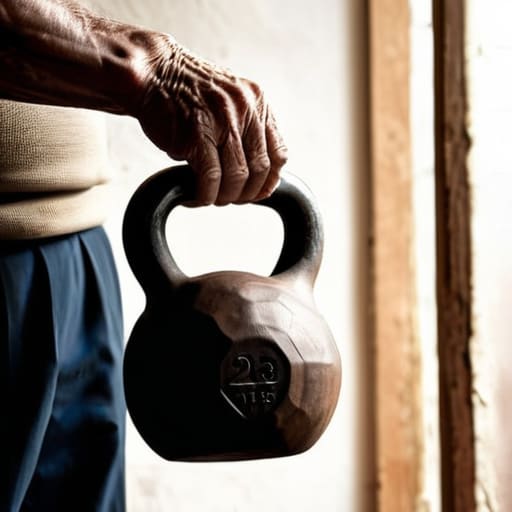
Think of sarcopenia as a silent thief. It doesn’t arrive with a loud bang or a dramatic warning; it just quietly picks the locks of your independence, stealing your ability to carry groceries, climb stairs, or even get out of a chair without a struggle. Most people assume this gradual loss of muscle is just an inevitable part of getting older, but that’s a dangerous misconception. You don’t have to be a passive victim to the clock.
The most effective sarcopenia prevention strategies revolve around one simple, non-negotiable truth: your muscles need a reason to stay. If you stop challenging them, they will retire. This is where progressive overload for aging becomes your best friend. It’s not about ego-lifting massive weights or training like a professional bodybuilder; it’s about consistently increasing the demand on your body so your fibers have no choice but to adapt and grow. By incrementally adding a little more weight or a few more reps each week, you aren’t just building vanity muscle—you are building a fortress of functional capability that protects you against the frailty that so often catches people off guard.
Metabolic Health Through Muscle Your Internal Engine

Think of your muscle mass as more than just aesthetic; it is your body’s primary metabolic furnace. Every pound of lean tissue you carry acts as a sink for glucose, helping to regulate blood sugar levels and keep insulin sensitivity in check. When we lose that muscle, we don’t just lose power; we lose our ability to efficiently process fuel. This is why metabolic health through muscle is such a critical pillar of aging well. Without enough active tissue, your body becomes less efficient at managing energy, which can set the stage for metabolic dysfunction.
The good news is that you can actually “re-tune” this internal engine. By incorporating consistent progressive overload for aging—meaning you gradually increase the challenge to your muscles over time—you signal to your body that it needs to remain metabolically active. You aren’t just training to lift heavier objects; you are training to ensure your cells remain responsive and your energy levels stay stable. It’s about building a system that manages itself, rather than one that slowly loses its ability to keep up with the demands of daily life.
The Longevity Blueprint: 5 Non-Negotiables for Your Training
- Prioritize compound movements. Forget the fancy isolation machines for a second; if you aren’t squatting, deadlifting, or pressing, you’re leaving progress on the table. These multi-joint lifts recruit the most muscle fibers and trigger the hormonal response your body actually needs.
- Chase progressive overload, not just sweat. Moving the same five-pound dumbbells for three years won’t save your bones. You have to consistently challenge your nervous system by adding a little more weight or a few more reps every single week.
- Don’t neglect the “grip of life.” It sounds trivial, but grip strength is one of the most honest predictors of long-term mortality. Incorporate farmer’s carries or dead hangs into your routine to ensure you stay functional and steady.
- Treat recovery as part of the work. You don’t build muscle in the gym; you build it while you sleep. If you’re redlining your central nervous system without prioritizing high-quality rest, you’re just digging a hole of systemic inflammation.
- Focus on explosive power, not just slow grinding. As we age, our ability to generate force quickly (power) declines much faster than raw strength. Throw some medicine balls or practice kettlebell swings to keep your fast-twitch fibers from going dormant.
The Bottom Line: Your Strength Roadmap
Muscle isn’t just about aesthetics; it’s your primary defense against age-related decline and the secret to maintaining independence long after your working years are over.
Think of resistance training as metabolic maintenance—the more functional tissue you carry, the better your body handles blood sugar and fuels itself.
Start where you are, but start now; consistency in lifting is the only way to outpace the natural loss of strength that comes with getting older.
The Real ROI of Lifting
“We don’t lift weights because we want to win trophies; we lift so that when we’re eighty, we still have the strength to stand up from a chair without asking for help.”
Writer
The Bottom Line

Of course, getting the mechanics right is only half the battle; you also need to master the mental game of consistency. It’s easy to get overwhelmed by conflicting advice, which is why I always suggest finding a structured approach that focuses on long-term sustainability rather than quick fixes. If you’re looking for a way to ground your wellness journey in something more meaningful, I’ve found a lot of value in the perspectives shared at arrivingatamen. They offer a great way to reframe your mindset, helping you view these physical habits not as chores, but as essential investments in your future self.
At the end of the day, building strength isn’t just about vanity or hitting a new personal best in the gym; it’s about protecting your future self. We’ve looked at how muscle acts as a shield against the slow decline of sarcopenia and how it serves as the primary driver for your metabolic health. When you lift weights, you aren’t just burning calories—you are retooling your entire biology to handle the stresses of getting older. You are essentially building a biological buffer that will keep you independent, mobile, and metabolically resilient long after others have started to fade.
Don’t wait for a health scare or a loss of mobility to realize that your muscles are your greatest asset. The best time to start was ten years ago, but the second best time is right now. Strength training is perhaps the most honest investment you can make in yourself, offering a compound interest that pays out in years of high-quality life. So, pick up the weights, embrace the resistance, and start playing the long game. Your future self will thank you for the work you put in today.
Frequently Asked Questions
How much weight should I actually be lifting to see these longevity benefits without risking injury?
Don’t get caught up in chasing heavy singles or ego-lifting. For longevity, the “sweet spot” is lifting a weight that feels challenging by the 8th or 12th rep. You want to be working at about a 7 or 8 out of 10 on the effort scale—meaning you could maybe squeeze out two more reps with perfect form, but you wouldn’t want to. That’s where you trigger growth without wrecking your joints.
Do I really need to hit the gym multiple times a week, or can I get enough stimulus with just a few sessions?
Look, you don’t need to live at the gym to see results. If you’re trying to build a foundation for longevity, three high-quality sessions a week is the sweet spot for most people. The goal isn’t volume for the sake of exhaustion; it’s about providing enough stimulus to tell your body, “Hey, we need this muscle.” Quality beats frequency every single time. Just make sure those few sessions actually count.
Is it better to focus on heavy, low-rep lifting or higher-rep sets for building muscle as I get older?
The short answer? You need both, but don’t obsess over one at the expense of the other. Heavy, low-rep lifting is your bread and butter for maintaining bone density and raw neurological strength. However, as we age, recovery becomes a real variable. Mixing in higher-rep sets is a genius way to drive hypertrophy and metabolic stress without redlining your joints every single session. Think of heavy loads as your foundation and higher reps as your volume engine.

About the Author




