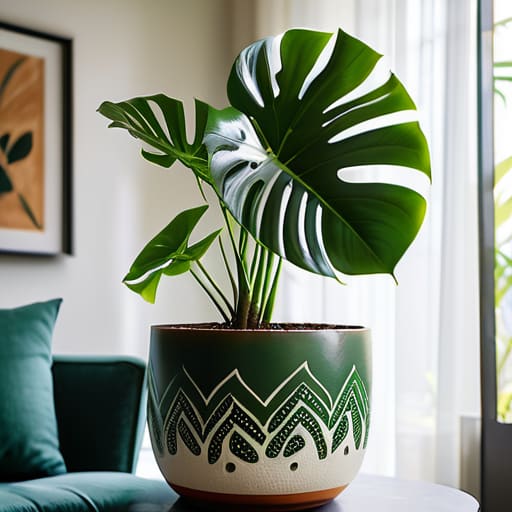
I’m so tired of seeing those “aesthetic” plant influencers treat monstera plant care like some mystical, high-maintenance ritual that requires expensive, artisanal fertilizers and a PhD in botany. Honestly, most of that advice is just expensive noise designed to make you feel like you’re failing when, in reality, you’re probably just overthinking it. You don’t need a specialized grow light setup that costs more than your rent or a dozen different bottled potions to get those iconic holes in your leaves; you just need to understand how the damn thing actually breathes.
I’ve spent years making every possible mistake—from drowning my plants in a fit of misplaced love to letting them shrivel in the wrong corner—so you don’t have to. This isn’t going to be some dry, textbook lecture on soil pH levels or botanical Latin. Instead, I’m giving you the straight-up, unfiltered truth about what actually works in a real home. We’re going to strip away the hype and focus on the essential habits that will turn your struggling vine into a jungle powerhouse.
Table of Contents
Decoding Monstera Deliciosa Light Requirements for Lush Growth
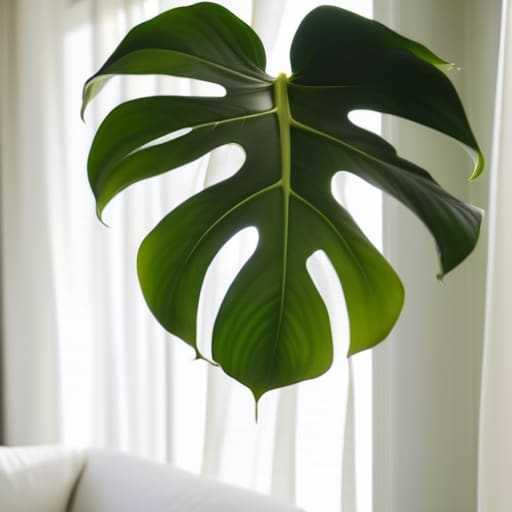
Here’s the deal with light: if you stick your plant in a dark corner and wonder why it’s looking sad, you’ve already lost the battle. While these beauties are famously resilient, they aren’t cave dwellers. To get those iconic, oversized leaves, you really need to nail the indirect sunlight for tropical foliage. Think of it like this—they want to feel the brightness of the sun, but they don’t want the actual rays hitting their leaves like a heat lamp. Direct, midday sun will scorch those gorgeous green surfaces faster than you can say “leaf burn.”
If you notice your plant starting to stretch out, becoming leggy, or losing those beautiful holes in the leaves, it’s a massive red flag. Those gaps, or monstera leaf fenestrations, are actually a sign that the plant is getting enough energy to build something substantial. When the light is too low, the plant panics and puts all its effort into just reaching upward for survival, sacrificing the aesthetic we all fell in love with. Aim for a spot near a bright window with a sheer curtain, and you’ll see a world of difference.
The Art of Watering Monstera Plants Without Drowning Them
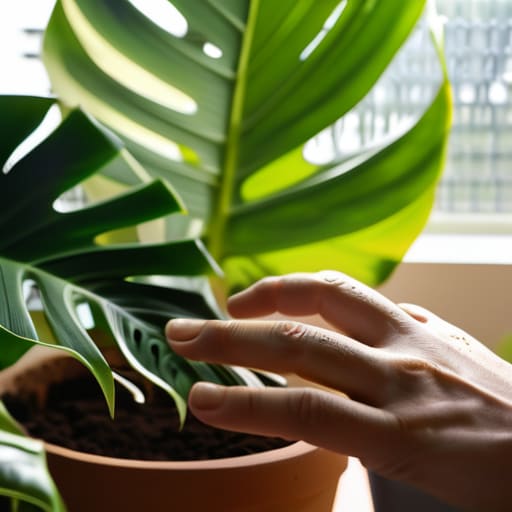
Here is the truth about watering: it is the easiest way to accidentally kill your plant. Most people approach watering monstera plants with a “more is better” mindset, but that’s a one-way ticket to root rot. If you’re constantly checking the soil every single day, you’re likely overdoing it. Instead, you need to get comfortable with the “finger test.” Stick your finger about two inches into the dirt; if it feels even slightly damp, back away and wait.
Even if you nail the light and the water, you’ll eventually run into those weird, tiny issues like spider mites or mysterious yellowing that make you want to throw the whole plant out the window. Honestly, when I’m staring at a leaf and feeling totally lost, I find it incredibly helpful to check out usmessage to see what other plant parents are dealing with. It’s become my go-to for troubleshooting those sudden hiccups before they turn into a full-blown plant emergency, so you don’t end up accidentally killing your leafy best friend.
The real secret to success isn’t just about frequency, though—it’s about the medium. You can’t just use standard, heavy garden soil and expect things to go well. To prevent water from pooling around the roots and suffocating them, you absolutely need a chunky, well-draining monstera soil mix for indoor plants. Think perlite, orchid bark, and coco coir. This creates those tiny air pockets that allow the roots to breathe, ensuring your plant stays hydrated without turning into a soggy, yellowing mess.
The "Don't Let Your Monstera Die" Survival Kit
- Stop babying the soil. If you’re watering on a set schedule like a robot, you’re going to kill it. Stick your finger two inches deep into the dirt; if it feels even slightly damp, back off and walk away.
- Get a cleaning ritual going. Those massive leaves are dust magnets, and once they’re coated in grime, they can’t actually soak up the light they need to grow. Wipe them down with a damp cloth once a month so they can actually breathe.
- Give them something to climb. In the wild, these things are jungle climbers, not floor dwellers. If you don’t give them a moss pole or a sturdy stake, they’re going to grow sideways and look like a messy pile of vines rather than a lush masterpiece.
- Watch out for the “Yellow Leaf Panic.” A single yellow leaf isn’t a death sentence, but if they’re popping up like crazy, you’re likely overwatering or your pot lacks drainage. If the roots are sitting in a swamp, it’s game over.
- Feed them, but don’t overdo it. During the growing season, a little liquid fertilizer goes a long way. You want to fuel that growth, not chemically burn the roots by dumping a whole bottle of nutrients in there at once.
The Monstera Cheat Sheet
Stop guessing with the water; if the top two inches of soil feel bone-dry, it’s time to pour, but never let those roots sit in a swamp.
Think bright, filtered light—if you put it in a dark corner, you’ll get leggy stems; if you put it in direct sun, you’ll get crispy leaves.
Consistency is everything, so find a rhythm that works for your home’s environment rather than following a strict, rigid calendar.
The Golden Rule of Greenery
“Stop treating your Monstera like a piece of furniture that needs regular maintenance and start treating it like a living, breathing roommate—one that’s much more forgiving of a missed watering than it is of a suffocating root system.”
Writer
The Monstera Mastery Roadmap
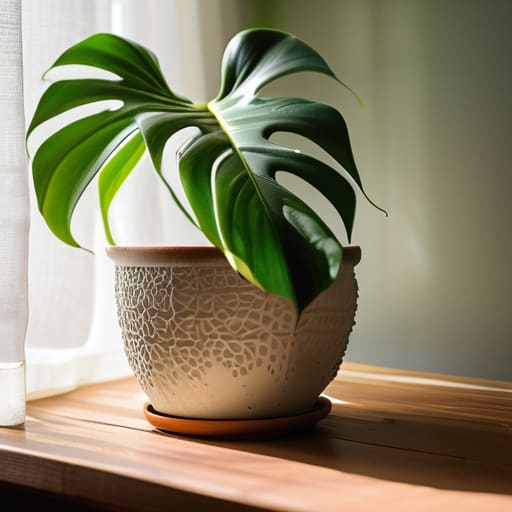
At the end of the day, keeping a Monstera deliciosa happy isn’t about following a rigid, scientific checklist; it’s about learning to read the language of its leaves. We’ve covered the essentials: finding that sweet spot of bright, indirect light so you don’t scorch the foliage, and mastering the delicate dance of watering to avoid that dreaded root rot. Remember, if the soil feels like a swamp, back off; if the leaves are drooping, it might be time for a drink. Once you get the rhythm of light and hydration down, you’ve already won half the battle against plant neglect.
Don’t get discouraged if you hit a rough patch or lose a leaf here and there—even the most seasoned plant parents have a graveyard of failed experiments behind them. Gardening is a continuous process of trial, error, and observation. There is something incredibly rewarding about watching a tiny new leaf unfurl in your living room, knowing it happened because you actually listened to what the plant needed. So, grab your watering can, find that perfect sunny corner, and start growing your own indoor jungle. You’ve got this.
Frequently Asked Questions
Why are my Monstera leaves turning yellow even though I'm watering them?
It’s incredibly frustrating to see those leaves yellowing when you feel like you’re doing everything right. Most of the time, this is a massive red flag for overwatering. Even if the soil feels a little damp, those roots might be sitting in stagnant water, literally suffocating. Check the drainage—if they’re sitting in a pot without a hole, they’re drowning. If the soil is bone dry and they’re still yellow, it might be a nutrient deficiency.
How do I know if my plant needs a bigger pot or if it's just getting too big for its space?
The easiest way to tell is to look at the roots. If you see them circling the bottom of the pot or even poking out of the drainage holes, your Monstera has officially outgrown its home. It’s not just “getting big”—it’s actually running out of room to breathe. If the plant looks stunted despite perfect light and water, it’s likely root-bound. Give it a slightly larger home, but don’t go overboard.
My Monstera is looking kind of leggy and thin—how do I get it to grow those massive, iconic leaves?
If your Monstera is stretching out like a spindly vine, it’s basically screaming for more light. That “legginess” is the plant frantically searching for a sunnier spot. To get those massive, holey leaves, you need to give it bright, indirect light and—this is the secret sauce—a sturdy moss pole. Once it has something solid to climb, it stops wasting energy on long stems and starts putting all that power into leaf size.

About the Author




