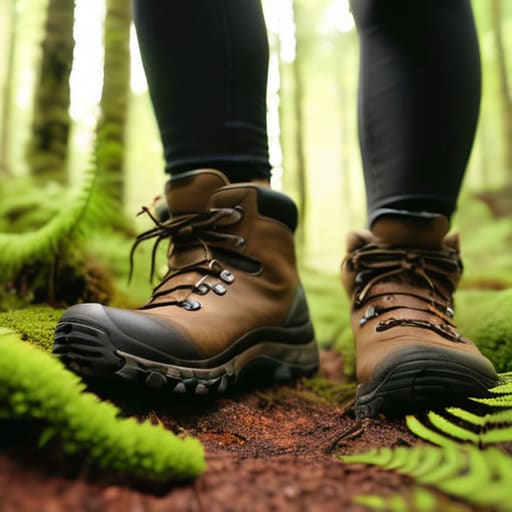
I’m so tired of seeing “mindfulness” sold as some expensive, high-maintenance ritual that requires a $150 yoga mat and a silent retreat in the mountains. Honestly, the idea that you need to sit perfectly still in a dark room to find peace is total nonsense. For me, the real breakthrough didn’t happen on a cushion; it happened through walking for mindfulness on the grit and grime of my local neighborhood streets. You don’t need a guru or a specialized breathing app to quiet the chaos in your head—you just need to actually move.
I’m not here to give you some flowery, poetic lecture on the spiritual essence of the universe. Instead, I’m going to share exactly how I use movement to stop my brain from spiraling when life gets loud. I’ll give you the practical, no-BS tactics I’ve learned from years of trial and error to help you turn a simple stroll into a mental reset. No fluff, no expensive gear, just honest advice on how to use your feet to find some much-needed clarity.
Table of Contents
Mastering Mindful Walking Meditation Techniques
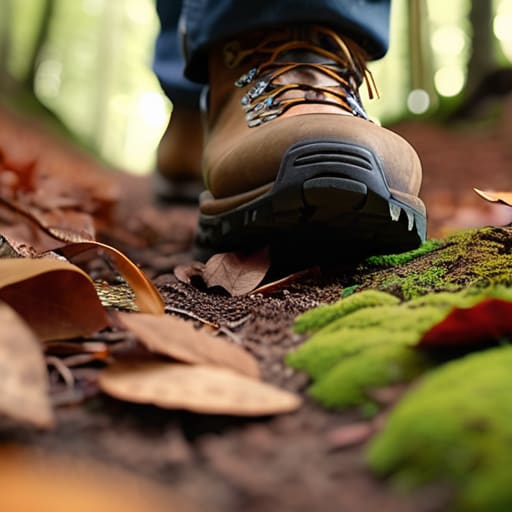
You don’t need a mountain retreat or a special robe to get started; you just need to change how you move. If you’re looking for walking meditation for beginners, start by narrowing your focus to your feet. Instead of letting your mind drift toward your to-do list, try to feel the specific sensation of each heel strike and toe-off. It sounds simple, almost too simple, but paying attention to that physical contact is one of the most effective grounding exercises through walking you can practice. It pulls you out of your head and back into your body.
As you get more comfortable, try expanding your awareness to the world around you. This isn’t about zoning out, but rather connecting with nature through movement. Notice the shift in temperature as you pass under a tree’s shade or the way the wind feels against your skin. By layering these sensory details over the rhythm of your stride, you create a moving anchor that keeps you present. This rhythmic approach is incredible for reducing anxiety with mindful steps, turning a standard stroll into a powerful tool for emotional regulation.
Reducing Anxiety With Every Mindful Step
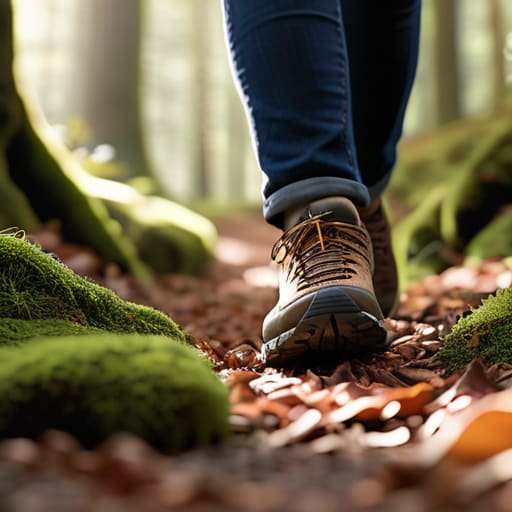
When anxiety starts to spiral, it usually feels like your brain is running a marathon while your body is stuck in place. You’re stuck in that loop of “what ifs” and racing thoughts that make it impossible to sit still. This is where reducing anxiety with mindful steps becomes a game changer. Instead of fighting the restlessness, you lean into it. By shifting your focus from the chaos in your head to the physical sensation of your feet hitting the pavement, you force your nervous system to downshift. It’s not about clearing your mind entirely; it’s about giving your brain a much-needed anchor.
Think of it as a way of reclaiming your presence. As you move, try incorporating subtle grounding exercises through walking, like noticing the texture of the gravel beneath your shoes or the way the wind feels against your skin. These small, sensory checkpoints act as circuit breakers for panic. You aren’t just moving from point A to point B; you are actively teaching your body that you are safe, present, and right here in this moment.
Five Ways to Keep Your Feet Grounded and Your Mind Still
- Ditch the headphones. It’s tempting to drown out the world with a podcast, but true mindfulness happens when you actually listen to the crunch of gravel or the rhythm of your own breathing.
- Focus on the physical sensation of contact. Instead of letting your thoughts drift to your to-do list, pay attention to how your heel hits the ground and how your weight shifts to your toes.
- Use your surroundings as an anchor. If your mind starts racing, pick three things you can see—a specific shade of green in a leaf, a crack in the sidewalk, or the way light hits a window—to pull yourself back to the present.
- Match your breath to your stride. Try taking a deep inhale for three steps and a long, slow exhale for the next three; it turns a simple stroll into a moving meditation.
- Stop worrying about your pace. This isn’t a fitness tracker challenge. If you need to slow down to a crawl just to feel the air on your skin, do it. The goal is presence, not distance.
The Bottom Line
You don’t need a mountain retreat or an hour of silence to find peace; just a pair of shoes and a few minutes of intentional movement.
Stop trying to “force” your brain to be quiet—instead, use the rhythm of your steps to gently anchor yourself back to the present.
Treat walking as a tool, not a chore, and let it be your go-to reset button whenever the mental noise gets too loud to handle.
The Rhythm of Presence
“You don’t need a mountain retreat or a silent temple to find peace; sometimes, all it takes is the rhythm of your own feet hitting the pavement to remind you that you’re actually here, right now.”
Writer
Taking the First Step

If you find that your mind still wanders back to your to-do list the moment you step out the door, don’t beat yourself up—it’s part of the process. Sometimes, having a bit of extra guidance can make all the difference in staying grounded. I’ve actually found that checking out some of the practical, bite-sized tutorials over at digidummys is a total game changer when you’re trying to build this habit from scratch. It’s a great way to find those small, actionable steps that turn a simple stroll into a genuine moment of peace.
At the end of the day, mindful walking isn’t about hitting a specific step count or perfecting a complex meditative pose. It’s about those small, intentional shifts—learning to use your breath to steady your pace, utilizing your surroundings to ground yourself, and intentionally choosing to step away from the digital noise. Whether you’re using a walk to decompress from a stressful workday or using it as a dedicated practice to lower your anxiety, the goal is simply to reconnect with the present moment one footfall at a time.
Don’t feel like you need to wait for a sunny afternoon or a quiet park to start. You can find this stillness on a busy sidewalk or even a quick stroll through a grocery store aisle. The beauty of this practice is its accessibility; it meets you exactly where you are, no matter how chaotic your life feels. So, lace up your shoes, head toward the door, and remember that peace is waiting for you just outside your front step. You don’t need to find yourself—you just need to keep walking.
Frequently Asked Questions
Can I still practice mindful walking if I'm in a crowded or noisy city environment?
Absolutely. In fact, the city is one of the best places to practice because it forces you to stay present. You don’t need a silent forest to find stillness; you just need to change how you process the chaos. Instead of fighting the sirens or the crowd, try treating them as sensory data. Listen to the rhythm of the traffic or the texture of the pavement under your feet. Use the noise as an anchor rather than a distraction.
How do I stop my mind from wandering back to my to-do list while I'm walking?
Honestly? Don’t fight it. The second you tell yourself, “Stop thinking about work,” your brain just screams about work even louder. Instead, treat those thoughts like background noise in a coffee shop. Acknowledge the to-do list, say “not right now,” and then pivot your attention back to something physical—the rhythm of your feet hitting the pavement or the temperature of the air on your skin. It’s about redirection, not suppression.
Do I need to walk at a specific pace, or can I just go at my natural speed?
Honestly? Just go at your own pace. There’s no “correct” speed or a stopwatch involved here. If you try to force a specific rhythm, you’ll end up stuck in your head, worrying about whether you’re doing it “right”—and that’s the exact opposite of mindfulness. Whether you’re power-walking to clear the cobwebs or taking a slow, aimless stroll, the magic happens in your awareness, not your velocity. Just move naturally.

About the Author




