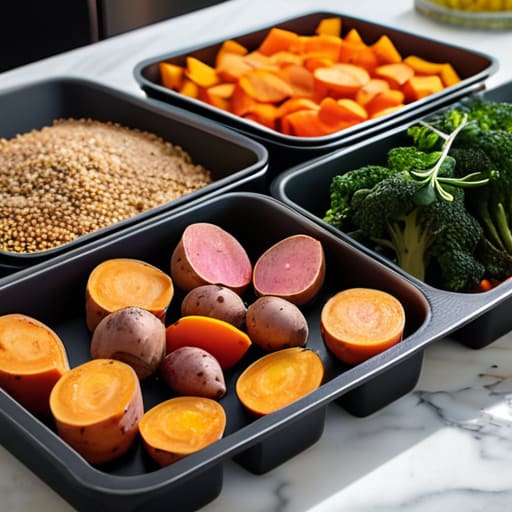
If you’ve ever scrolled through social media and seen those “aesthetic” meal prep videos—you know the ones, with the perfectly color-coordinated glass containers and the mountain of organic kale—I have a confession: they are total nonsense. Most of those influencers are selling a fantasy that requires a professional chef’s budget and about twelve hours of your life you’ll never get back. Real weekend meal prep isn’t about creating a Pinterest-worthy display; it’s about not eating a lukewarm, soggy protein bar for lunch on a Wednesday because you were too exhausted to cook.
I’m not here to give you a list of complicated, thirty-ingredient recipes that leave your kitchen looking like a crime scene. Instead, I’m going to share the actual, battle-tested strategies I use to feed myself without losing my mind. We’re going to focus on high-impact, low-effort hacks that prioritize flavor and sanity over perfection. This is about building a system that actually works for your real, messy life, ensuring you stay fueled without turning your Sunday into a second full-time job.
Table of Contents
Batch Cooking for Beginners the Art of Effortless Prep
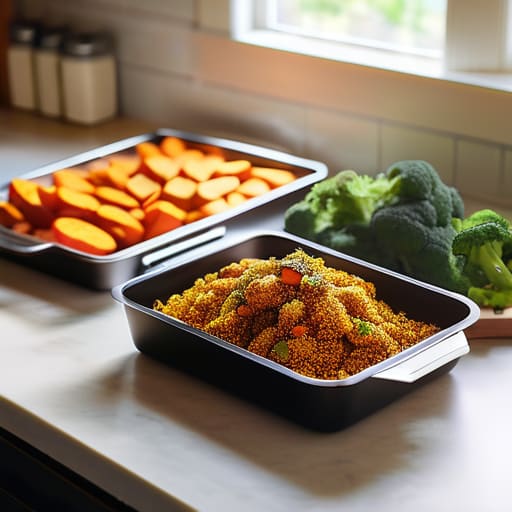
If you’re feeling overwhelmed by the idea of cooking massive feasts, let’s simplify things. Think of batch cooking for beginners not as a marathon, but as a strategic way to work smarter, not harder. Instead of making five different recipes, pick one or two versatile bases—like a big pot of quinoa or a tray of roasted sweet potatoes—and multiply them. When you focus on preparing components rather than complex, finished dishes, you create a much more efficient kitchen workflow that prevents you from feeling like a short-order cook every single night.
The secret to making this actually stick is having the right setup. You don’t need a pantry full of specialty gadgets, but investing in a few quality meal prep container essentials makes a world of difference. I’m talking about airtight glass containers that actually keep your greens crisp and don’t leak in your bag. Once you have your containers ready, you can start layering your proteins and grains, turning a chaotic Sunday afternoon into a streamlined process that actually feels manageable.
Building an Efficient Kitchen Workflow for Maximum Results
One thing I’ve learned is that you don’t need to be a culinary genius to make this work; you just need a bit of a system. If you’re feeling a little overwhelmed by the sheer amount of planning involved, I actually found a ton of great inspiration and practical tips over at bohemianscientist that helped me get my head around the basics. It’s honestly been a game-changer for keeping my kitchen sessions from turning into a chaotic mess.
Once you’ve mastered the basics of batch cooking, the next hurdle is actually making the process feel seamless rather than like a second job. The secret isn’t just about what you cook, but how you move through your space. I’ve found that establishing an efficient kitchen workflow is the real game-changer. Instead of cleaning as you go—which is a total momentum killer—try to group your tasks. Chop every single vegetable for the entire week at once, then clear the board before moving on to the stovetop work. It sounds simple, but it prevents that feeling of being overwhelmed by a mountain of dirty dishes halfway through.
Organization also extends to your gear. You can’t have a smooth session if you’re digging through a junk drawer for a lid that doesn’t fit. Investing in a few meal prep container essentials—specifically ones that are stackable and airtight—will save you massive amounts of fridge real estate. When everything has a designated spot, your weekly food organization tips actually start to stick, and you won’t spend your Monday morning hunting for a lunchbox.
My Go-To Hacks for Actually Staying Consistent
- Don’t try to be a hero and prep every single meal for the week. Start by just prepping your breakfasts or lunches; if you try to overhaul your entire diet in one Sunday, you’ll burn out by Wednesday.
- Invest in a decent set of glass containers. Seriously, the cheap plastic ones that leak or stain make the whole process feel like a chore, whereas good containers actually make you want to grab your food and go.
- Master the “component method” instead of full recipes. Instead of making five identical chicken bowls, just roast a big batch of chicken, some sweet potatoes, and some broccoli. That way, you can mix and match flavors so you don’t get bored.
- Clean as you go, or you’ll face a mountain of dishes that kills your motivation. I try to wash my cutting boards and bowls while the oven is doing the heavy lifting so I’m not staring at a messy kitchen for an hour after I’m done eating.
- Keep a “emergency” frozen meal or a stash of easy pantry staples on hand. Even the best meal preppers have days where things go sideways, and having a backup prevents you from defaulting to expensive, unhealthy takeout.
The Bottom Line: Making It Stick
Don’t try to prep every single meal at once; start by just tackling your lunches or one specific dinner to avoid burnout.
Invest in a few good, airtight containers—nothing kills the motivation of a successful prep session like soggy leftovers in a flimsy plastic tub.
Focus on flexibility rather than rigid recipes so you can actually enjoy your food instead of feeling like you’re eating a repetitive chore.
The Real Secret to Meal Prep
“Meal prep isn’t about spending your entire Sunday staring at a pile of Tupperware; it’s about buying back your Monday night so you can actually breathe.”
Writer
Reclaiming Your Week
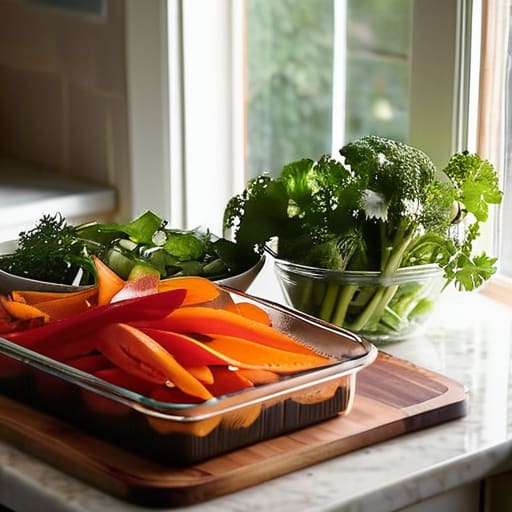
At the end of the day, meal prepping isn’t about achieving some impossible level of culinary perfection or having a fridge that looks like a Pinterest board. It’s really just about the basics we’ve talked about: mastering the art of batch cooking, setting up a workflow that actually makes sense for your kitchen, and making decisions before you’re hungry and tired. When you stop treating every single meal as a brand-new project and start seeing your ingredients as building blocks, you stop the constant cycle of decision fatigue. It’s about being strategically prepared so that when Tuesday night rolls around and you’re exhausted, you aren’t staring blankly at the pantry wondering what on earth to eat.
Don’t feel like you have to overhaul your entire life this coming Sunday. Start small—maybe just prep one protein or one big batch of grains—and see how much breathing room that gives you. The goal here isn’t to become a professional chef; it’s to buy yourself time and mental energy for the things that actually matter. Once you get into the rhythm of it, you’ll realize that those few hours spent in the kitchen on the weekend are a gift you’re giving to your future self. You deserve to walk into your week feeling in control rather than just playing catch-up.
Frequently Asked Questions
How do I keep my prepped meals from getting soggy or tasting stale by Thursday?
The “Thursday Slump” is real, and it usually comes down to moisture management. My golden rule? Never dress your salads or sauce your grains ahead of time. Keep dressings in tiny separate containers, and if you’re prepping something like roasted veggies, let them cool completely before sealing the lid—trapped steam is the fastest way to turn a crisp meal into a soggy mess. Also, if it’s hitting day four, give it a quick reheat in a pan rather than the microwave to revive the texture.
Do I really need to spend the whole day in the kitchen, or can I do this in under two hours?
Honestly? Not at all. If you think meal prep requires a marathon session, you’re going to burn out before you even start. I used to think I needed six hours, but now I swear by the “two-hour sprint.” Focus on the high-impact stuff—chopping veggies, cooking one big grain, and prepping a protein. If you stay focused and skip the fancy garnishes, you can definitely reclaim your Sunday afternoon without feeling like a chef on overtime.
What are the best containers to use so my food actually stays fresh in the fridge?
Honestly, don’t waste your money on those cheap, flimsy plastic bins—they stain, smell, and lose their seals after a month. If you want your prep to actually last until Thursday, invest in glass containers with airtight, snap-locking lids. Glass doesn’t leach flavors, and those silicone seals are game-changers for keeping air out. If you’re on a budget, even decent BPA-free plastic works, but airtight is the golden rule for freshness.

About the Author




