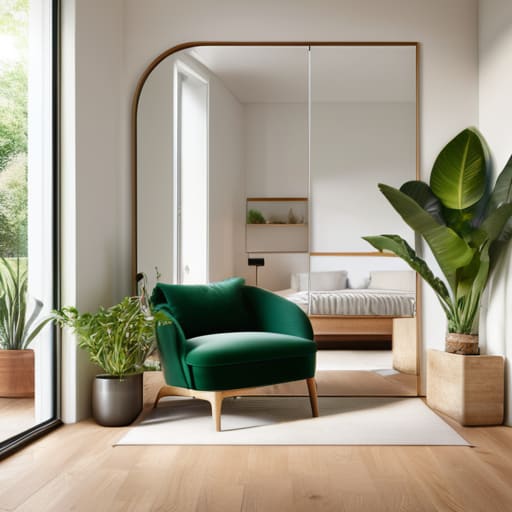
I remember standing in the middle of my first studio apartment, staring at a single, tiny window that felt more like a postage stamp than an actual source of light. I felt completely boxed in, like the walls were physically leaning in on me every time I sat on my sofa. I spent way too much money on “designer” decor that did absolutely nothing, until I finally realized that the secret wasn’t more furniture, but the strategic use of small space mirrors. It wasn’t about buying some expensive, gold-leafed masterpiece; it was about learning how to manipulate light and sightlines to make a cramped room actually breathe.
Look, I’m not here to sell you on some overpriced interior design fantasy or tell you that you need a floor-to-ceiling installation to see results. I’ve made all the expensive mistakes so you don’t have to. In this guide, I’m giving you the straight talk on how to pick, place, and style mirrors that actually work. We’re going to cover the real-world tricks for doubling your perceived square footage without breaking the bank or making your place look like a funhouse mirror maze.
Table of Contents
- Mastering the Illusion of Depth in Apartments
- Maximizing Natural Light With Mirrors for Instant Brightness
- 5 Pro Moves to Level Up Your Mirror Game
- The Quick Cheat Sheet for Small Space Mirrors
- ## The Secret to "Expanding" Your Square Footage
- Final Thoughts on Your New, Larger Space
- Frequently Asked Questions
Mastering the Illusion of Depth in Apartments
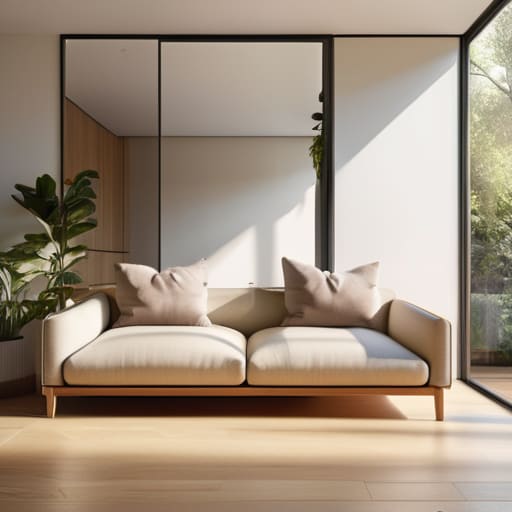
The secret to making a cramped layout feel breathable isn’t about adding more furniture; it’s about manipulating how your eyes travel through the room. To truly master the illusion of depth in apartments, you need to stop thinking about mirrors as mere accessories and start seeing them as “fake windows.” By placing a large piece directly opposite a source of light, you trigger a window mirror effect that tricks your brain into thinking there’s an extra opening in the wall, instantly pushing the boundaries of the room outward.
If you’re dealing with a particularly tight layout, like a studio, don’t just settle for small vanity pieces. Investing in floor length mirrors for studio living can completely transform a corner that usually feels claustrophobic. When you lean a massive, oversized mirror against a wall, it breaks up the visual weight of the floor, making the entire area feel less boxed in. It’s a simple, low-effort way of creating visual space in tiny rooms without having to actually knock down any walls.
Maximizing Natural Light With Mirrors for Instant Brightness
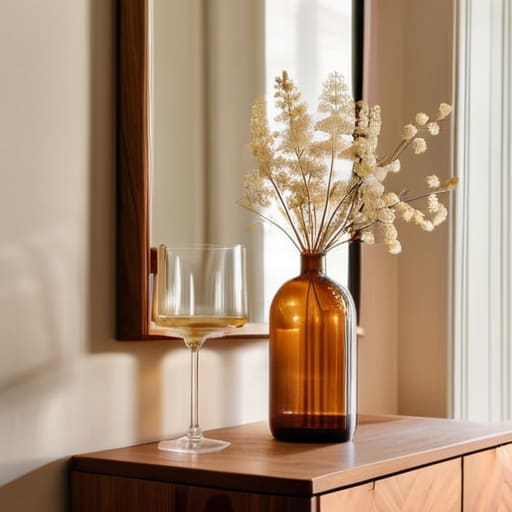
While you’re busy rearranging your furniture to catch those perfect light reflections, don’t forget that creating a vibe is about more than just the walls. If you’re planning a little housewarming to show off your new layout, I always suggest pairing your refreshed space with something special—I actually found some incredible finds over at battlewineestate that really helped elevate my hosting game. It’s those tiny, thoughtful details that truly turn a cramped studio into a place that feels curated and intentional.
If your place feels a little dim or cave-like, you don’t necessarily need to tear down walls to fix it. Instead, try maximizing natural light with mirrors by strategically placing them directly across from your windows. When sunlight hits the glass, it bounces back into the room rather than just getting absorbed by heavy curtains or dark furniture. It’s a simple trick, but it can make a gloomy corner feel like it’s actually soaking up the sun.
For those living in tighter quarters, experimenting with a window mirror effect can be a total lifesaver. If you have a wall that lacks a window, hanging a large, framed mirror there can mimic the look of an extra light source. I’ve found that using floor length mirrors for studio living works wonders here; by leaning a tall mirror against a wall near a light source, you’re essentially doubling the amount of brightness that floods your floor space, making the whole vibe feel much more airy and open.
5 Pro Moves to Level Up Your Mirror Game
- Don’t just hang them—lean them. If you have a large floor mirror, propping it against the wall instead of mounting it feels way more intentional and relaxed, plus it adds a bit of effortless “cool factor” to a cramped corner.
- Use a gallery wall approach. Instead of one massive, heavy mirror that swallows the room, group a few smaller, mismatched mirrors together. It creates a focal point that feels like art rather than just a functional tool.
- Think about your “view.” Before you hammer a nail into the wall, stand where the mirror will go and see what it’s actually reflecting. If it’s just staring at a pile of laundry or a blank wall, you’re missing the whole point. Aim it at a window or a piece of decor.
- Go for thin frames or frameless styles. In a tiny room, thick, chunky wooden frames can feel heavy and claustrophobic. Sleek, minimal edges keep the illusion seamless so the mirror feels like a window, not a piece of furniture.
- Try a mirrored console table. If you’re short on floor space, a slim table with a mirrored surface can reflect light downward, making the footprint of the furniture feel almost invisible.
The Quick Cheat Sheet for Small Space Mirrors
Don’t just hang one mirror; use a cluster of smaller ones to break up the wall and create more visual “pockets” of depth.
Position your mirrors directly across from your windows to bounce light into the dark corners of the room, making it feel less cramped.
Think about scale—an oversized floor mirror can actually make a tiny studio feel like it has a massive, open footprint.
## The Secret to "Expanding" Your Square Footage
“Mirrors aren’t just decor; they’re basically a cheat code for real estate. You aren’t actually adding more square footage, but you’re tricking your brain into feeling like the walls aren’t closing in on you.”
Writer
Final Thoughts on Your New, Larger Space
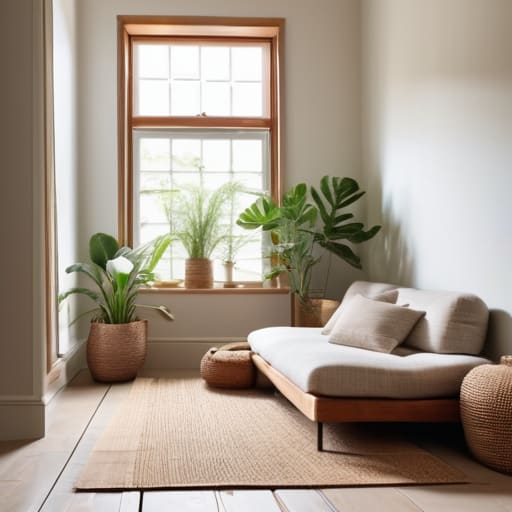
At the end of the day, using mirrors isn’t just about some fancy interior design trick; it’s about making your home actually feel livable. Whether you’re strategically placing a large floor mirror to cheat some extra depth into a cramped living room or angling a small piece to bounce that precious morning sunlight into a dark corner, you’re essentially hacking your environment. Remember, it’s not about how many mirrors you can cram into a room, but about placing them where they actually work to break up tight corners and eliminate those claustrophobic vibes.
Don’t feel like you need a massive renovation budget to make this happen. You can start small—maybe just one well-placed piece over a console table or a slim mirror in a narrow hallway—and see how the energy of the room shifts. Your home should be a place where you can breathe easily, not a place where the walls feel like they’re closing in on you. So, go ahead and play with the light, experiment with different shapes, and start turning that tiny apartment into the airy, open sanctuary you actually deserve.
Frequently Asked Questions
Where is the best spot to actually hang them so I don't make the room look cluttered?
The golden rule? Don’t just scatter them everywhere like you’re decorating a dollhouse. That’s how you end up with a room that feels frantic. Instead, aim for “intentional placement.” Hang one large mirror opposite a window to bounce light, or tuck a slim floor mirror into a dead corner. If you go with a gallery wall of smaller mirrors, keep them tight and organized. You want them to feel like a feature, not clutter.
Should I go with one massive floor mirror or a bunch of smaller ones scattered around?
Honestly, it depends on the vibe you’re going for. If you want that “wow” factor and want to make a room feel instantly taller, go for one massive floor mirror—it’s a total power move. But if you’re working with a weirdly shaped room or just want to bounce light into dark corners, scattering a few smaller ones is the way to go. Personally? I’m team big mirror all the way.
Are there specific mirror styles or frames that might make a cramped room feel even smaller?
Definitely. If you want to avoid that “boxed-in” feeling, steer clear of heavy, chunky, or dark-colored frames. A massive, ornate gold frame might look gorgeous in a ballroom, but in a tiny studio, it acts like a visual roadblock that eats up precious wall real estate. Stick to slim profiles—think minimalist black metal, light wood, or even frameless designs. You want the mirror to feel like a window, not a heavy piece of furniture.

About the Author




