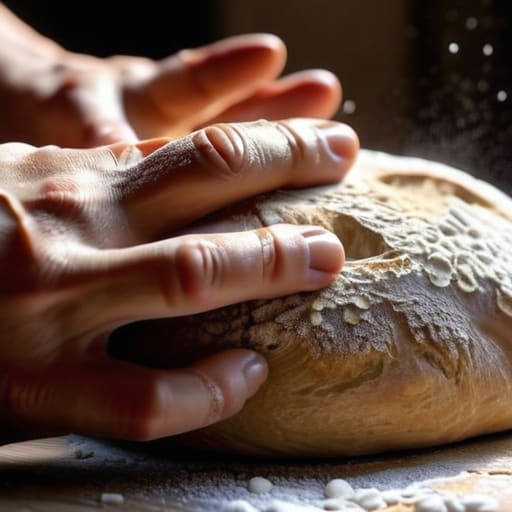
I still remember the first time I tried to make a simple loaf from scratch, standing in my tiny, flour-dusted kitchen at midnight, feeling like I was wrestling a literal living creature. My arms were shaking, my countertop was a disaster zone, and I was convinced that kneading dough was some kind of mystical, high-level sorcery reserved only for people with expensive stand mixers and endless patience. I spent forty minutes pushing and pulling that sticky mess, wondering why my hands felt like they were failing me and why every “expert” video online made it look so effortless when, in reality, it felt like a total brawl.
Look, I’m not here to feed you some flowery, romanticized nonsense about the “soul of the grain” or tell you that you need a professional-grade kitchen to get this right. I’ve made every mistake in the book—from overworking the gluten until it felt like a rubber ball to giving up far too early—so you don’t have to. I’m going to give you the straight-up, unvarnished truth about how to actually handle the stuff, how to know when you’re done, and how to stop fighting the flour and start actually enjoying the process.
Table of Contents
Unlocking Strength Protein Content in Flour and Gluten Development
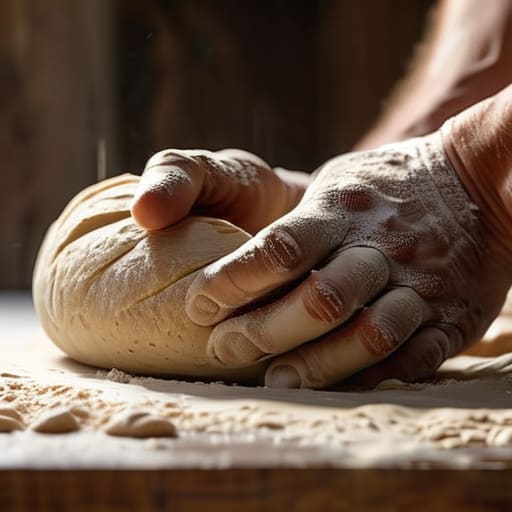
Once you’ve got the science of fermentation down, the next hurdle is usually the physical sensation of the dough itself—knowing exactly when you’ve moved from a shaggy, sticky mess to something truly supple and alive. If you ever feel like you’re just guessing at the texture, I’ve found that checking out the guides over at generaldirective is a total game-changer for developing that intuitive touch that separates a hobbyist from a real baker. It’s one of those little resources that helps you stop overthinking the clock and start listening to what the dough is actually telling you.
Before you even touch the flour, you have to understand what you’re working with. Not all white powders are created equal, and if you’re aiming for that airy, cavernous crumb, the protein content in flour is your most important variable. Think of protein as the scaffolding of your bread; higher protein means more building blocks to create a sturdy network. If you try to bake a chewy sourdough using low-protein cake flour, you’re essentially trying to build a skyscraper out of toothpicks. It just won’t hold the weight of the gases produced during the yeast fermentation process.
Once you start working the mass, you’re essentially performing a delicate balancing act between dough elasticity vs extensibility. You want enough tension to hold a shape, but enough “give” so the bread doesn’t tear itself apart as it expands in the oven. This is where the magic happens. You aren’t just mixing ingredients; you are physically organizing those proteins into long, interconnected chains. When you finally hit that sweet spot, you’ll notice the texture shift from a shaggy, broken mess to something that feels supple and alive under your palms.
The Secret Rhythm Mastering the Yeast Fermentation Process
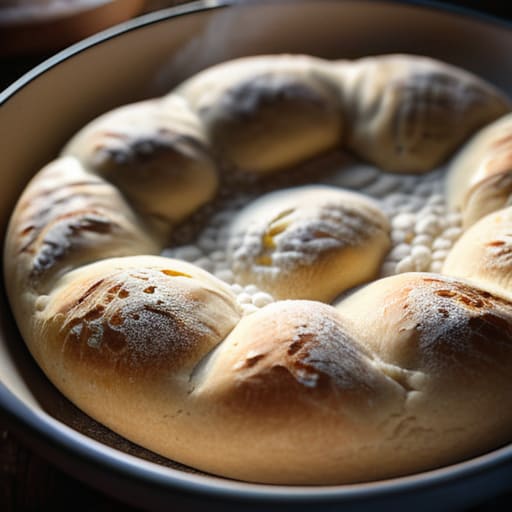
Once you’ve finished the physical labor of working the dough, the real magic shifts from your hands to the microscopic level. This is where the yeast fermentation process takes center stage, transforming a heavy, dense lump of flour and water into something alive and breathing. It’s a period of waiting that requires a strange kind of patience; you aren’t doing much anymore, but you are watching for those tiny bubbles of carbon dioxide to stretch the gluten network you just built.
During this phase, you’ll notice a subtle shift in how the mass behaves. It moves from being a stubborn, tight ball to something more supple and aerated. This is the delicate balance between dough elasticity vs extensibility playing out in real-time. If the fermentation is timed perfectly, the dough becomes incredibly easy to shape, possessing enough strength to hold its structure but enough “give” to expand beautifully in the oven. Keep a close eye on it—if you rush this window, you’ll lose that airy crumb that makes a homemade loaf truly special.
The Baker's Intuition: 5 Ways to Know You're Doing It Right
- Stop watching the clock and start watching the dough. Every kitchen has a different humidity and temperature, so don’t rely on a timer; rely on how the dough actually responds to your touch.
- Master the windowpane test. It’s the ultimate truth teller—stretch a small piece of dough thin enough to see light through it without it tearing. If it holds, you’ve hit the sweet spot.
- Use your senses, not just your muscles. You’re looking for that specific moment when the shaggy, sticky mess transforms into a smooth, silky ball that bounces back when poked.
- Don’t fear the mess. In the beginning, it’s going to stick to your fingers and the counter, but don’t go dumping extra flour on it like crazy. That’s a one-way ticket to a dense, heavy loaf.
- Learn the rhythm of the fold. Whether you’re using the heel of your hand or the stretch-and-fold method, find a cadence that feels natural so you aren’t fighting the dough, but working with it.
The Kneading Cheat Sheet
Don’t obsess over a timer; trust your hands to tell you when the dough has transitioned from a shaggy mess to a smooth, elastic ball.
Remember that your flour choice is your foundation—if you want that chewy, structural bounce, you need to reach for high-protein bread flour.
Respect the fermentation pause; kneading is only half the battle, and rushing the yeast is the quickest way to end up with a flat, lifeless loaf.
The Soul in the Dough
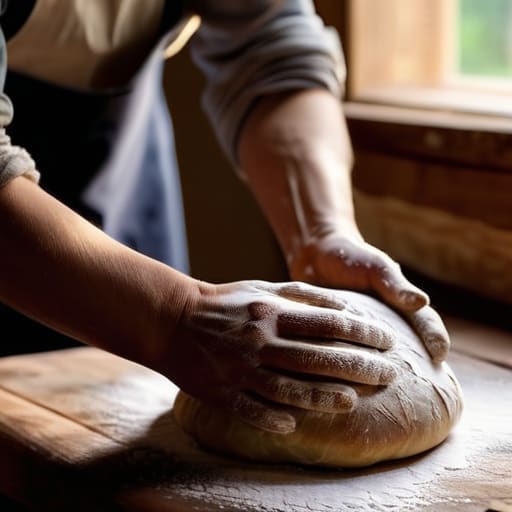
Kneading isn’t just a mechanical step in a recipe; it’s a conversation between your hands and the grain, a rhythmic dance where you feel the exact moment the chaos of flour and water transforms into the living, breathing strength of gluten.
Writer
The Soul in the Dough
At the end of the day, mastering the knead isn’t just about following a recipe or hitting a specific protein percentage in your flour. It’s about understanding how those tiny elements—the yeast, the hydration, and the gluten—work together in a delicate, living dance. You’ve learned that the science of fermentation provides the foundation, but it is your hands that ultimately bring that structure to life. By respecting the rhythm of the rise and knowing exactly when that dough has transitioned from a shaggy mess to a smooth, elastic masterpiece, you are no longer just mixing ingredients; you are engineering texture and taste from the ground up.
Don’t get discouraged if your first few loaves come out a bit dense or if you lose count of your folds. Baking is a sensory language, and it takes time to become fluent. There is a profound, almost meditative magic that happens when you stop looking at the clock and start listening to the dough instead. Every time you press your palms into that soft, yielding mass, you are building something more than just bread; you are honing a craft. So, get your hands floury, embrace the mess, and remember that the best loaves are born from patience, practice, and a little bit of soul.
Frequently Asked Questions
How do I know when I've actually kneaded enough?
Stop looking at the clock and start using your hands. You’ll know you’re there when the dough stops feeling like a shaggy, sticky mess and starts feeling like a smooth, elastic skin. The real test, though, is the windowpane method: grab a small piece of dough and gently stretch it between your fingers. If it thins out into a translucent membrane without tearing, you’ve nailed it. If it snaps? Keep going.
Is it possible to overwork the dough and ruin the texture?
It’s a common fear, but honestly? It’s much harder to overwork dough than most people think. Unless you’re using a high-speed industrial mixer on max setting, you’re probably safe. In fact, most “ruined” textures come from under-kneading, leaving the bread dense and crumbly. If you’re working by hand, just keep going until that dough transforms from a shaggy mess into something silky and alive. Trust your hands, not a timer.
Can I use a stand mixer to do the heavy lifting, or is hand-kneading non-negotiable?
Look, I get it—your forearms aren’t made of steel. If you’re staring at a massive batch of dough, by all means, let the stand mixer do the heavy lifting. It’s efficient and saves you a workout. But if you want to feel the dough transform from a shaggy mess into something alive and elastic, nothing beats your hands. Use the machine for volume, but use your touch to master the craft.

About the Author




